My Second XPan Repair
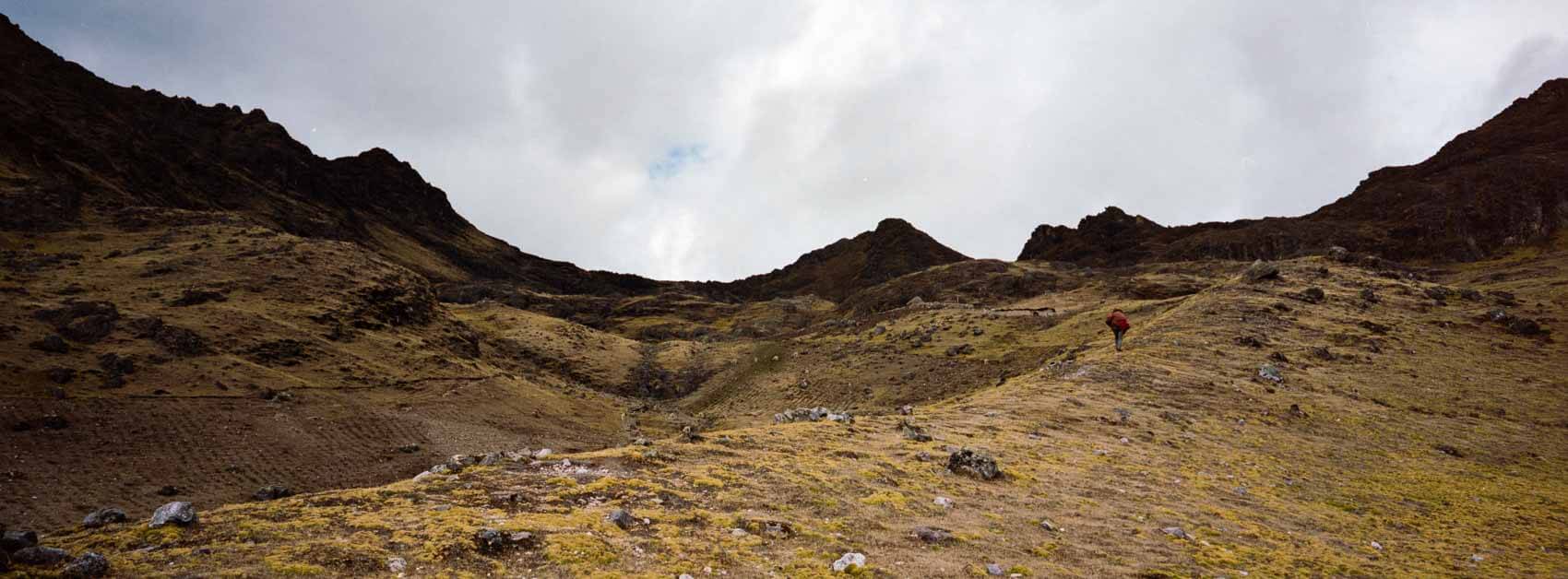
Owning a Hasselblad XPan means accepting that, at some point, the camera will ask something of you in return. I was standing on the top of a mountain in Peru, days from the nearest large city, when mine decided it had seen enough. It was the kind of scene this camera exists for: thin air, long views, silence, and light falling across a landscape that felt almost unreal. It looked like a painting. And then, just like that, it was impossible to capture before it even reached the negative.
If you invest in an XPan, you are investing in one of the most capable panoramic film cameras ever made. The last thing you want is for it to fail you in the field, especially in a place as remote and demanding as the Andes. In ten years of ownership, mine has been serviced twice, not because I mistreated it, but because these cameras are old, complex, and alive in their own way. It was an inconvenient turn of events.
My first repair took over a year to resolve. It passed through three different technicians, generated quotes that varied wildly, and spent long stretches feeling lost in the postal system. Not every specialist knows the XPan well. It is an electro mechanical camera with oversized moving parts, and that combination demands a very specific kind of expertise.
The second repair felt different. I knew the camera better by then. I understood its language a little more. But that did not make the moment it stopped working any less gut wrenching.
A quick note on the first repair. If you already know that backstory, this is the next chapter. If you do not, I have linked the earlier repair post so you can see how the story started.
The Scary 8888 Error on the Hasselblad XPan
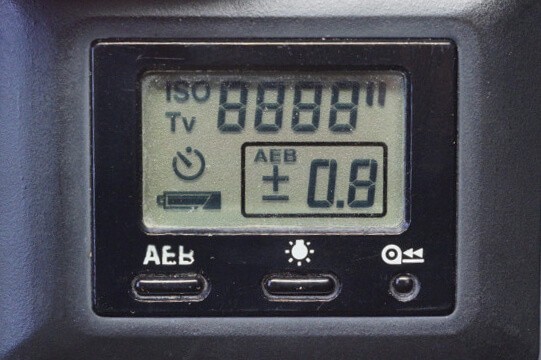
The 8888 error on a Hasselblad XPan is the camera’s way of telling you something is seriously wrong, but it doesn’t articulate what exactly. If you own one long enough, you will hear about the error before you ever see it and you know it could mean the end. It lives in forum threads and Facebook groups like a ghost story that keeps coming back.
The error can mean many things, from faulty batteries to dried shutter engine oil, electronic faults, or mechanical resistance somewhere in the system. I have covered the broader range of possible causes in more detail in the linked repair post. What I did not know until this point is that the 8888 error can also be triggered by a broken shutter curtain, a cause that is rarely mentioned online.
The frustrating part is how little warning the camera gave. There was no stutter on the previous roll, no hesitation, no obvious sign that anything was about to fail. One moment it worked, and the next it did not.
At altitude, in the Andes, with no repair shop within hundreds of kilometres, the 8888 error is not just an inconvenience. It stops you creatively.
How I Diagnosed a Broken Shutter Curtain
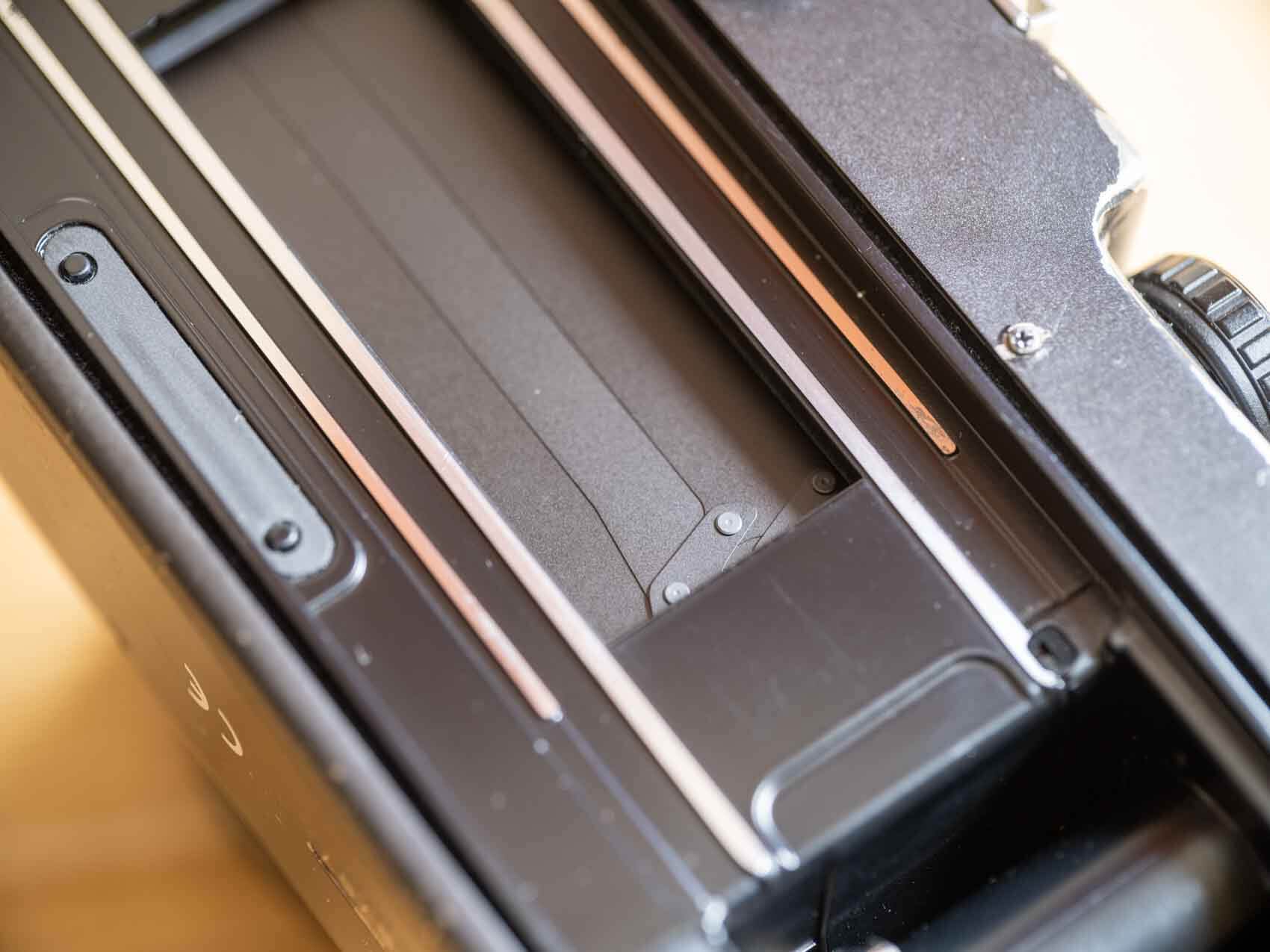
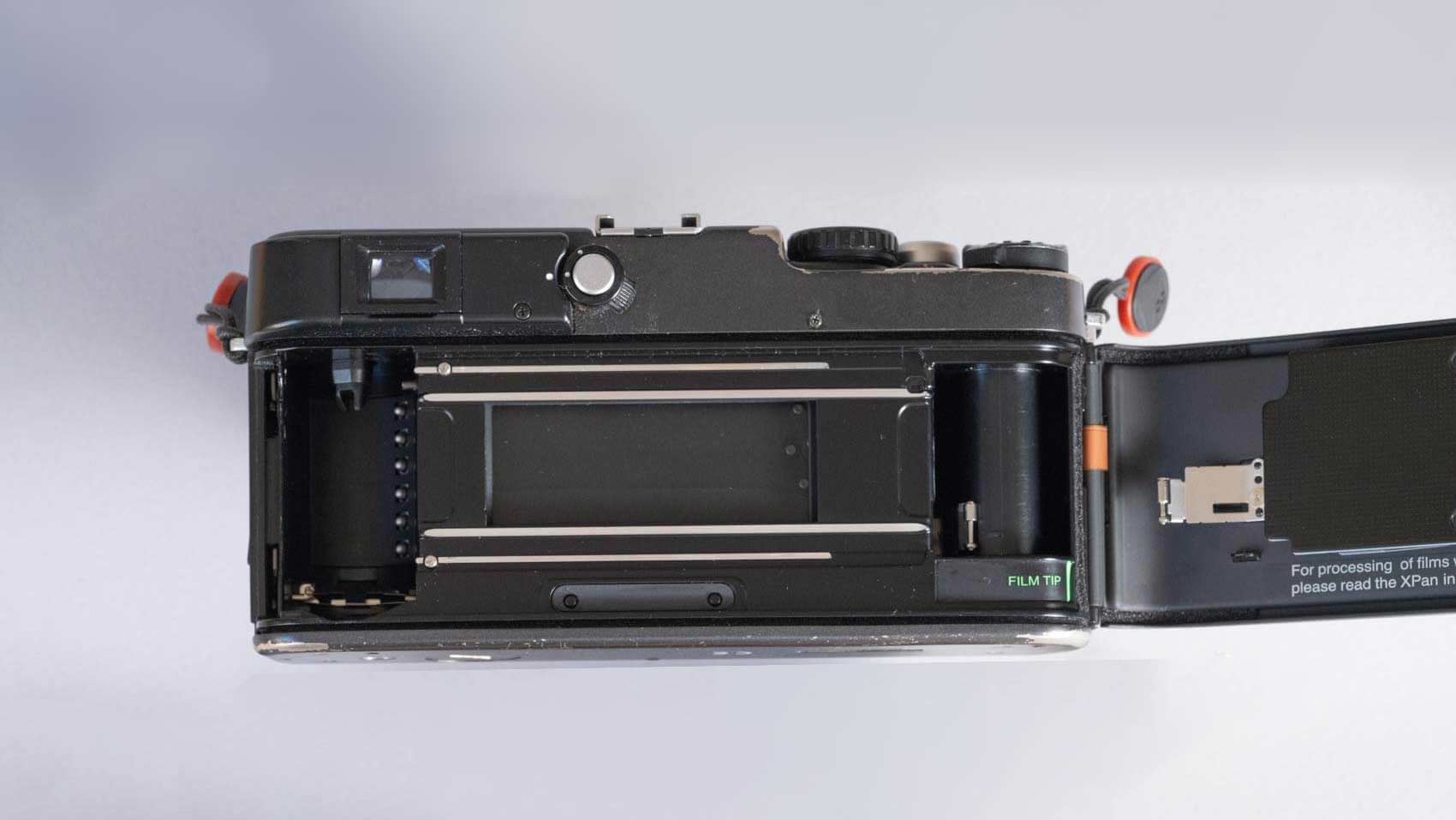
In the end, the problem was a hairline crack in the shutter curtain. It was almost invisible to the naked eye and easy to miss unless you knew exactly what you were looking for. That made diagnosis difficult, because the camera would still fire without film loaded, which made everything seem deceptively normal.
With film loaded, though, the extra tension and resistance of advancing the film was likely enough to expose the curtain’s weakness. That created a lag the camera’s electronics could not ignore, and eventually the XPan gave up in the middle of a five day trek through the Andes in Peru, one of the most photographically rich environments I have ever stood in.
It is worth remembering that the curtain in the XPan is larger than in a standard 35mm camera because it has to cover the full panoramic frame. That scale means even a tiny crack can have an outsized effect. From the outside, the shutter looked intact, which is exactly what makes this kind of failure so frustrating.
Troubleshooting the XPan in the Field
When it happened, my first instinct was denial. I had already been through one major repair, so surely this was something simple. I started from the basics and worked through the obvious checks.
I replaced both CR2 batteries with fresh ones, but nothing changed. I fired several frames without film to see whether the shutter would cycle, and it did, cleanly and without hesitation. I checked the power switch, the film door, and reset the camera, but none of it made a difference. There was no visible damage to the shutter, curtain, or any internal component I could inspect without opening the body.
With no clear answer, I turned to the environment. At high altitude the air is extremely dry and the pressure is lower. Both factors can affect oil viscosity in the shutter mechanism, and thicker oil can move more slowly. That is a known variable and worth ruling out before assuming mechanical failure. After I accepted faith and put the camera away for the rest of the trek, I finished the trek and descended to a lower altitude and waited, hoping the camera might recover.
It did not. After loading three rolls in quick succession, all three advanced and rewound immediately without exposing a single frame. That was the moment I accepted that the camera was not going to cooperate on this trip. I carried it for the remaining days anyway, even though I felt a lot of hate towards the camera. Sometimes a broken camera is still worth more in weight than in usefulness, especially when it is a Xpan.
What the experience reinforced most clearly was this: always carry a backup body on extended trips, even if it is only a simple point and shoot. The XPan is irreplaceable for panoramic work, but it should never be your only camera in the field.
What was fixed
Back home, a quick conversation with my previous repair specialist helped narrow things down. The symptoms, working without film, failing with film, pointed clearly to the shutter. In the end, the shutter blade was replaced, a precise and delicate job that requires both the right parts and a technician who understands the XPan’s tolerances.
After testing, the camera was working again, fully and without errors. The turnaround this time was much faster than my first repair, which was a reminder that having an established relationship with a trusted technician is worth its weight in Kodak Portra.
It took 1 week to ship to the technician, then 1 month for it to be repaired and thoroughly checked, then 1 week of shipping back with the necessary import tax. It came down to about a 1.5 month. The costs were slightly different than normal, because it happened within the guarantee I did not have to pay for the labor. Altogether it came down to €732 which equates to around 850USD. This is still a hefty price to pay for a repair of the shutter, but hopefully one that will make my camera last another 10 years.
I still believe it is worth it, the amount of joy this camera brings me is hard to express in a value. During my first repair, I realised that I missed the camera dearly, for that reason I kept on searching for a technician who was able to repair it. This camera continues to challenge me and bring me joy. I still have lots of plans with this format and this camera specifically, even though I still have lots to learn and I wouldn’t want a price to stop me.
From fellow XPan shooters, I have learned that if this camera suits you, it will suit you for life and the people I know who sold it at some point still regret it. Therefore I am very cautious about selling it.
What I’d Tell Anyone Facing This Error
If your XPan shows the 8888 error and you suspect a broken curtain, the first thing to understand is that the camera may fire perfectly without film and still not be healthy. Use it in your advantage to determine where the problem resides.
High altitude and dry environments can also mask or mimic shutter issues because of changes in oil viscosity. If you can, descend before making any final judgement. Do not force a roll through the camera either. If three rolls instantly rewind, stop there, because you are not solving the problem in the field and you are only wasting film. I can speak from experience…
The best move is to get the camera to a specialist who knows the XPan specifically. This is not a standard repair, and the tolerances are tight. If you are shooting in remote places, a backup body is not a luxury. It is insurance. Understandably so this easier said then done, especially when you would like a backup XPan. However, any camera at that point in time is better than none, therefore just bring a simple backup camera.


