Hasselblad XPan and Fuji TX‑1 Panoramic Format
The panoramic 65×24mm format of the Hasselblad XPan and Fuji TX‑1 is similar to the aspect ratios used in cinema. Unlike conventional cameras these cameras offer an expansive field of view that remains virtually unmatched. All other cameras that use this format are almost all older than the Fuji tx 1 or Xpan. While a handful of other panoramic cameras exist—such as the Linhof Technorama (which requires an adapter to achieve this format), the Noblex swing-lens camera (66x24mm), and the Widelux F7, F8, and F9—they are either mechanically different or significantly older. Instant-format alternatives like the Linhof are bulkier and less practical for handheld use, making the XPan and Fuji tx 1 stand out as uniquely portable solutions for panoramic photography.

A Medium Format‑Like Negative on 35mm Film
Despite using standard 35mm film, the Hasselblad XPan and Fuji TX‑1 are nothing like a typical 35mm camera, the panoramic frame is closer to a medium‑format negative in width. Creating extremely high quality negatives. The advantage lies in their versatility—unlike fixed-format panoramic cameras, they accommodate any 35mm film stock, providing an extensive range of creative possibilities for photographers.
Panorama Film Camera Meets Cinematic Storytelling
In real use, both the Hasselblad XPan and Fuji TX‑1 are small, rugged panoramic 35mm cameras that work just as well for street, portraits and travel as for classic landscapes. The ability to capture scenes with a cinematic frame elevates its appeal beyond traditional still photography. In my opinion the perfect camera for creative storytelling that can be used in any situation. The Xpan an Fuji tx 1 are a small cinematic masterpiece.

Hasselblad’s Only 35mm panoramic film camera (Built with Fujifilm as the TX‑1)
Hasselblad, historically known for its robust medium format bulky cameras - famously used by NASA on the moon - ventured into the 35mm photography realm with the Xpan. Sold as the Hasselblad XPan in most of the world and as the Fujifilm TX‑1 in Japan, this collaboration brought Hasselblad’s medium‑format heritage into a 35mm panoramic body. This allowed them to reach a broader audience (35mm film users) without the need to invest the capital that would be required for a medium format panoramic film camera.
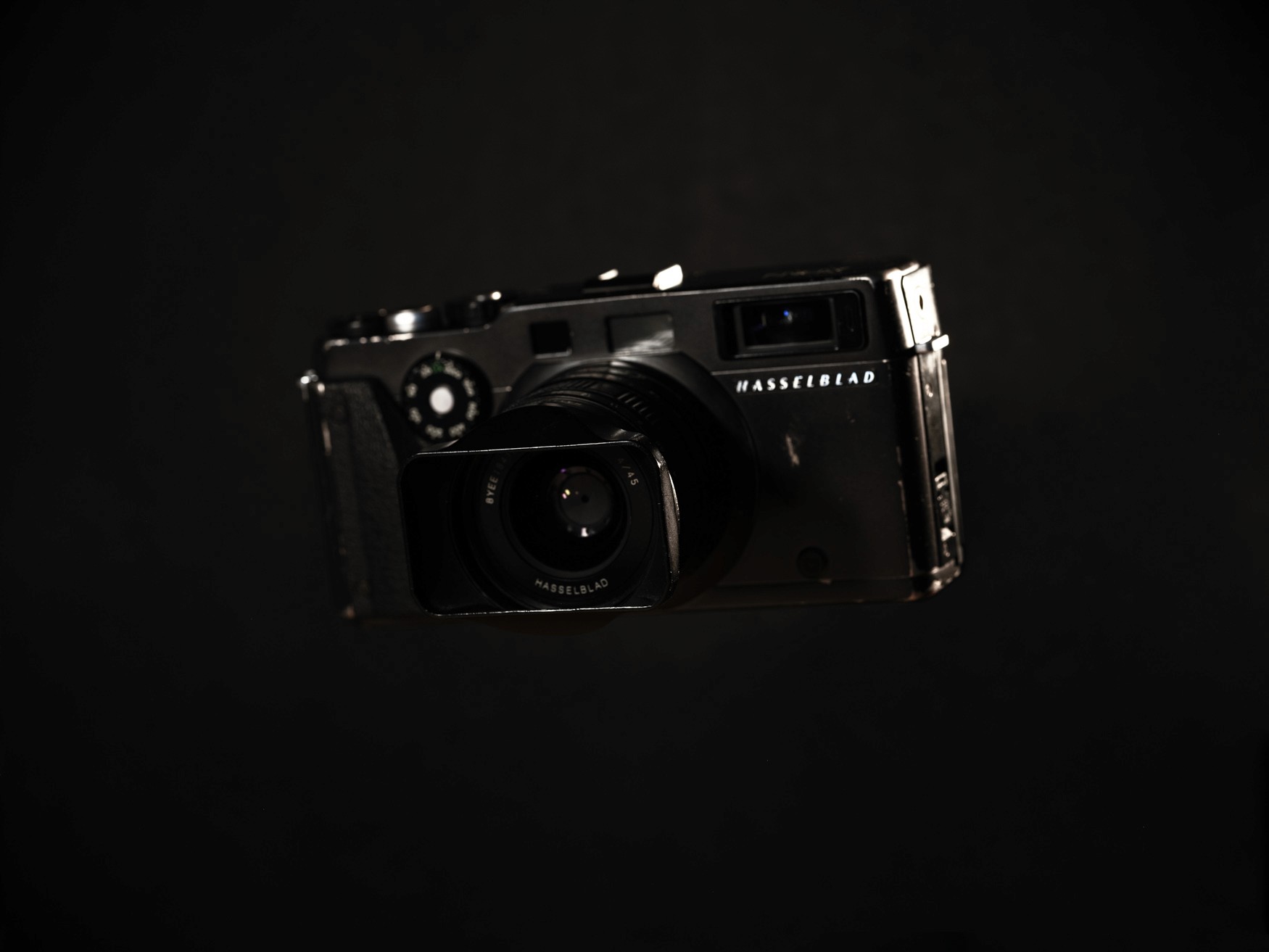
While Fujifilm handled production in Japan, Hasselblad secured global marketing rights—except in Japan, where the camera was sold under Fujifilm’s branding as the Fujifilm TX-1. Though functionally identical, the cameras differ slightly in aesthetics: the XPan sports a dark grey finish, while the Fuji tx 1 features a silver body with color-matched lenses. Internally, however, they are the same finely engineered instrument.

The Fuji TX‑1 and Hasselblad XPan Collaboration
The Hasselblad XPan didn’t appear from nowhere; Hasselblad partnered with Fujifilm, who built the Fuji TX‑1 in Japan and supplied the engineering expertise for this 35mm panoramic system. Fujifilm manufactured the camera in Japan for Hasselblad. Fujifilm had experience in manufacturing 35mm film cameras and panoramic film cameras. While Fujifilm handled production in Japan, Hasselblad secured global marketing rights—except in Japan, where the camera was sold under Fujifilm’s branding as the Fuji tx 1. Though functionally identical, the cameras differ slightly in aesthetics: the XPan sports a dark grey finish, while the TX-1 features a silver body with color-matched lenses. Internally, however, they are the same finely engineered instrument.

Fuji TX‑1 and Hasselblad XPan Lenses – Optical Excellence
To complement its unique format, the XPan and Fuji tx 1 system features three dedicated lenses designed to expose an ultra-wide frame with minimal distortion. Which basically means that these three lenses are build for a 35mm camera, but designed to expose a medium format sized film. Truly unique lenses.
The following lenses are available:
The 45mm f/4 lens – The standard panoramic lens, offering a horizontal field of view equivalent to a 24mm lens.
The 90mm f/4 lens – Ideal for portraiture and compression, providing a perspective similar to a 50mm lens in width.
The 30mm f/5.6 lens – A rare ultra-wide lens featuring a dedicated center filter and an attachable rangefinder. Unfortunately, due to its scarcity, it commands a high price on the second-hand market.
Each of these lenses is optically exceptional, engineered specifically to cover the expansive 65mm-wide frame with uniform sharpness.
Modern Panoramic 35mm Film Cameras: Hasselblad XPan and Fuji TX‑1
Despite being late‑1990s designs, the Hasselblad XPan and Fuji TX‑1 include modern conveniences such as auto‑exposure, motorised advance and DX coding, which make them easy to live with day to day. Upon loading a roll, the camera unwinds the entire film spool, progressively winding it back into the canister as each frame is exposed—an added safeguard against accidental light leaks. A range finder with an exposure indicator.
Whilst designed to be more portable, the camera is made of titanium, not particularly lightweight. A highly durable material, but perhaps not the best choice considering weight. Additionally, the paint finish is prone to wear, and the manual focusing mechanism, though precise, can be delicate over time. However, with proper care, these cameras are built to last for generations.
Key differences between the Hasselblad xpan and Fuji tx 1
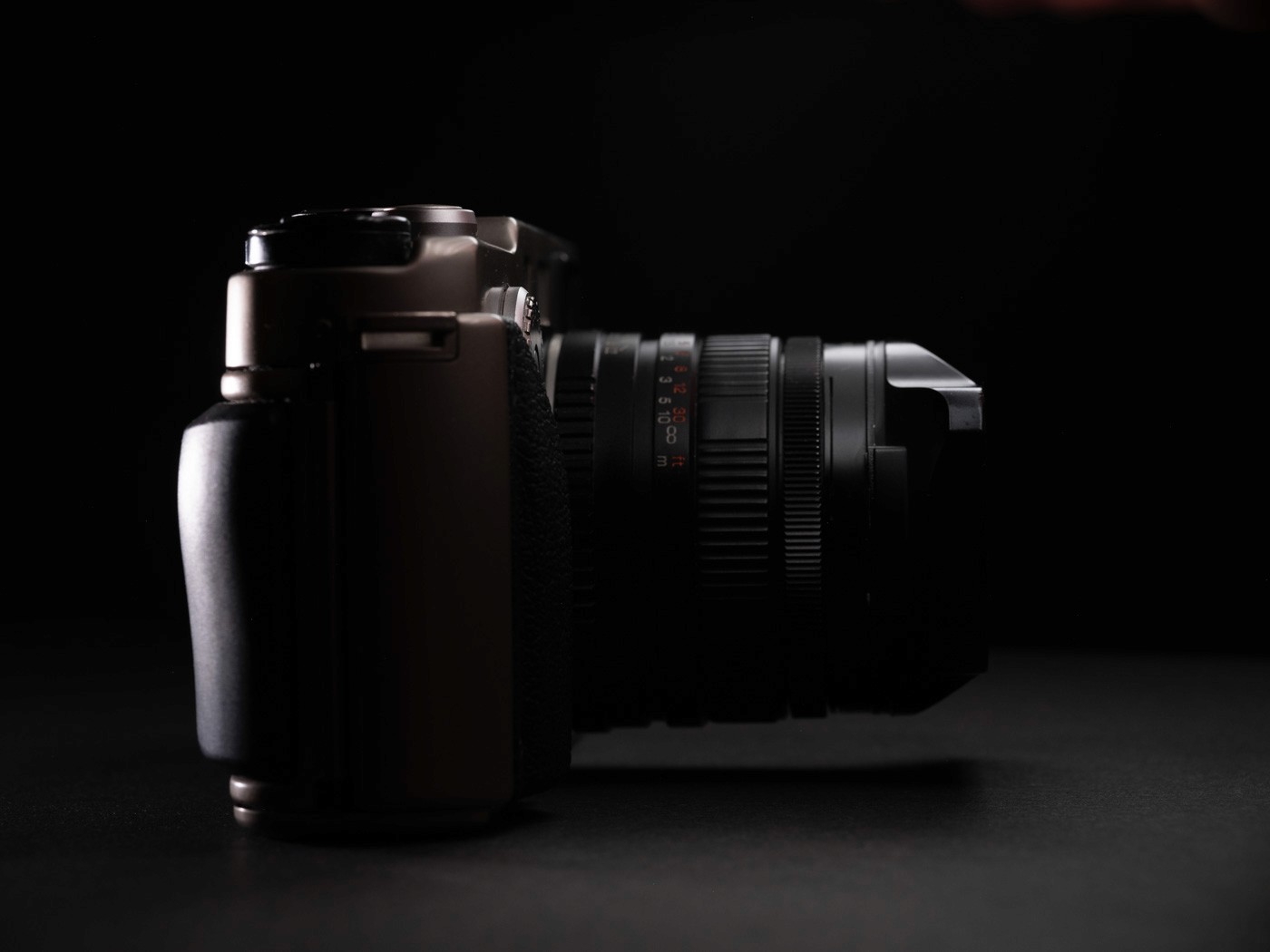
Considering the two different brands and their two different reputations, the design is basically identical. Functionality and reliability are equivalent. When considering repairability, the Fuji tx 1 might be more convenient at this point in time than the Xpan, because the Japanese take their craft very seriously.
Availability varies by region—Hasselblad’s version is more prevalent in Europe and North America, while the TX-1 is primarily found in Japan. Though the XPan carries the prestige of the Hasselblad name, the TX-1 offers identical performance at a comparable price point. Ultimately, their value on the resale market is determined by collector demand and regional availability rather than significant performance differences.

The Fuji tx 1 or the Xpan?
When deciding between the Fuji TX‑1 or Hasselblad XPan, it’s worth weighing budget, aesthetics and where you live. Because both panoramic film cameras share the same internals and lenses, most photographers can safely choose whichever XPan or Fuji TX‑1 they can find in good condition at a fair price.
Then budgeting, make sure the have a lump sump of money available. These cameras are not cheap! Additionally, repairability isn’t affordable either. Therefore consider your purchase well before acquiring such an expensive beast.
Since both cameras share identical internal components, choosing between them often comes down to aesthetics and availability of accessories. Finding compatible lenses may be easier depending on your region, so sourcing the right camera-lens combination is essential. If these factors are of no concern, either model is a worthy investment—offering a truly unique photographic experience. These cameras are built to be used, not merely displayed, and their panoramic perspective offers an unparalleled way to capture the world.
Conclusion
Both Hasselblad and Fujifilm are renowned for producing high-quality, reliable, and durable cameras and lenses. While the XPan enjoys greater recognition, the Fuji tx 1 is equally exceptional. Their lenses are fully interchangeable, differing only in appearance. These modern panoramic film cameras offer the portability of a 35mm system while delivering the expansive perspective of medium format photography.
Their unique panoramic format ensures a lasting legacy, standing the test of time as a tool for creative storytelling. If you find one at the right price, you’ll discover that mastering its challenging aspect ratio is a rewarding endeavour. The effort and investment required pale in comparison to the stunning results it can produce. And with time, its rarity and desirability may well turn it into an appreciating asset—whether in artistic or financial value.


