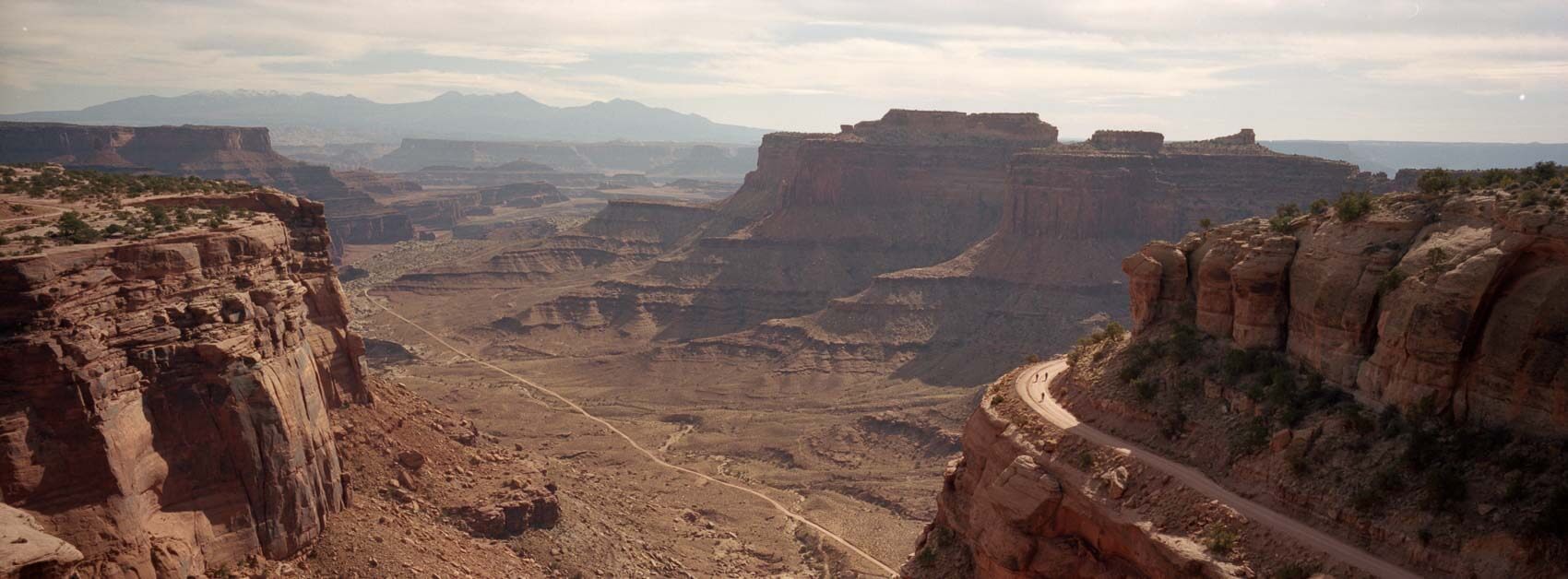
The Fujifilm TX-1 holds a unique place in film photography. Sold as the Hasselblad XPan in some markets, this panoramic 35mm camera captures a 65x24mm frame that stretches almost twice as wide as a standard 35mm negative. That wide format changes the way you see, compose, and think about storytelling.
In this post, I’ll share how to get the most from the Fuji TX‑1, it will be covering composition, framing, and personal lessons from my years shooting with it. Whether you’ve just discovered the camera or have spent hours behind its rangefinder, the TX‑1 keeps revealing new ways to stretch your imagination.
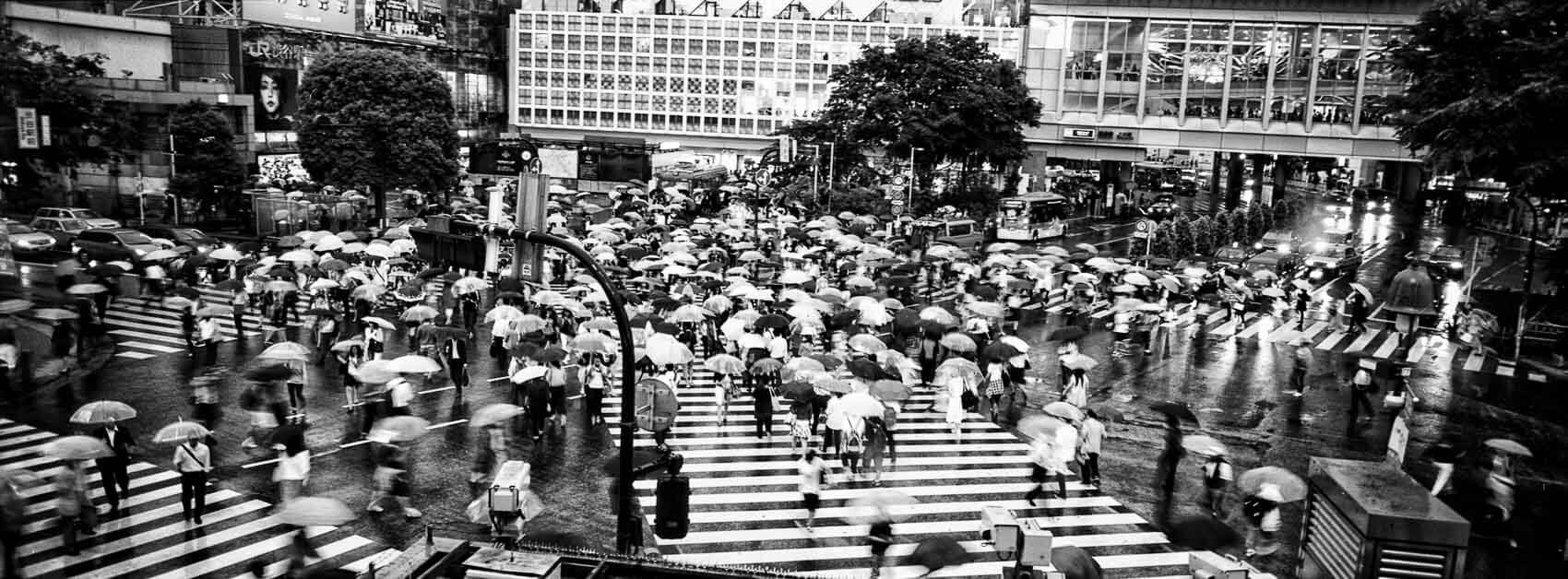
Ilford delta 100 shot on the Hasselblad XPan in Tokyo, Japan
Creative Tips for Panoramic Photography with the Fuji TX‑1
Learn to See in Panoramas
The biggest hurdle with the Fuji TX‑1 is training your eye to visualize the panoramic space. Its frame isn’t just “wide‑angle”, its more than that.
Use the Rule of Thirds (with a Twist): The rule of thirds is helpful here, but you’ll need to adapt it to fit the wide frame. Instead of focusing on just one point of interest, think about what’s happening in each third of the frame. Let the viewer’s eye travel from left to right across the image, making use of leading lines—like roads, rivers, or paths—that draw the eye across the composition.
Embrace negative space: Large, open areas emphasize scale and mood. Alternating images with detail and openness creates rhythm across a series.
Get Closer (Yes, Even in Panoramas)
Panoramic photography isn’t just for landscapes. With the TX-1 or Xpan, you can create striking close-ups that capture an intimate feel whilst still embracing a wide background.
Fill the Frame with Your Subject: I once used the Fujifilm tx 1 to capture a portrait, using my 90mm lens to get up close. The background softened beautifully while the subject still breathed in the wide frame. This setup taught me that panoramic doesn’t always mean “distant.” By filling the frame with your subject, you create an exaggerated sense of intimacy.
Experiment with Different Focal Lengths: Try using various focal lengths and see how each one changes the look of the scene. A longer lens, like the 90mm, creates a shallow depth of field, ideal for portraits. On the other hand, wider lenses give more context, making them perfect for street scenes or detailed landscape shots.

Shot on Kodak Portra 400 on the Hasselblad XPan
Framing the Unexpected
The Fujifilm tx 1 invites you to take risks. Instead of sticking to typical compositions, challenge yourself to try different angles, placements, and perspectives.
Play with Unconventional Angles: Capture shots from low angles to create dramatic foregrounds or tilt the camera slightly to add energy to the frame. Tilting can give a dynamic, cinematic quality to your shots, particularly in street photography, where the environment adds layers to the story.
Try Placing Your Subject on the Edge of the Frame: Unlike traditional photography, panoramic shots can feel “balanced” even with subjects placed at the far edges of the frame. This approach can add visual tension and encourage viewers to explore the frame rather than focusing on a central subject.
Personal Insights: My Journey with the Fujifilm tx 1
When I first picked up the Fujifilm tx 1, I was both excited and daunted. I’d primarily associated panoramic photography with landscapes, but I wanted to explore other genres, from street photography to portraits. My first road trip with the Fujifilm tx 1 was a transformative experience. I took photos that, at first glance, looked like standard snapshots of friends and landscapes. But when I developed the film, the unique format brought out unexpected relationships between elements in the frame.
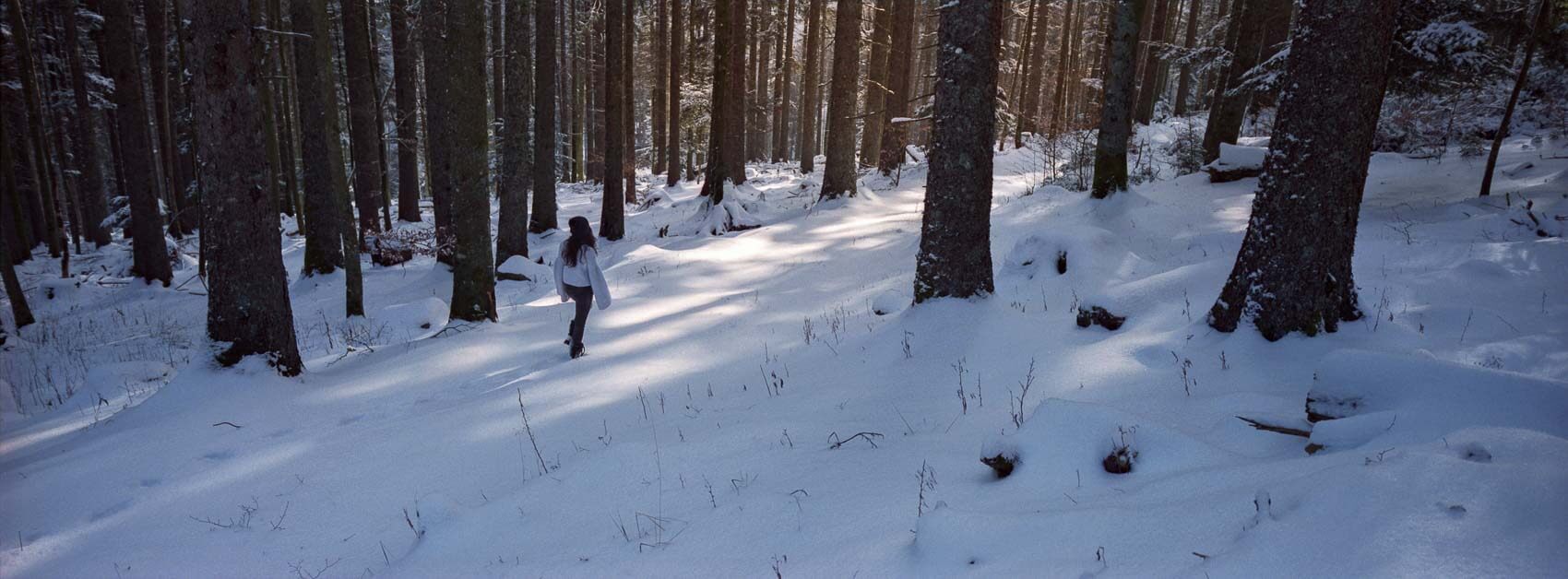
Shot on Kodak Portra 400 on the Fujifilm tx 1
How the Fujifilm tx 1 Changed My Approach
The Fujifilm tx 1’s frame allowed me to tell more of the story within a single shot. One of my favorite images from that trip is a wide shot of my friend hiking along a mountain path. The panoramic frame captured both the grandeur of the mountains and the smallness of our presence within it. It’s this balance of detail and scale that defines the Fujifilm tx 1’s storytelling potential.
Learning to Slow Down
Using the Fujifilm tx 1 has made me more intentional in my photography. I find myself framing carefully, taking in the entire scene, and thinking about how each element in the frame contributes to the overall story. Every shot feels like a small cinematic moment—a scene that invites the viewer into a larger narrative.
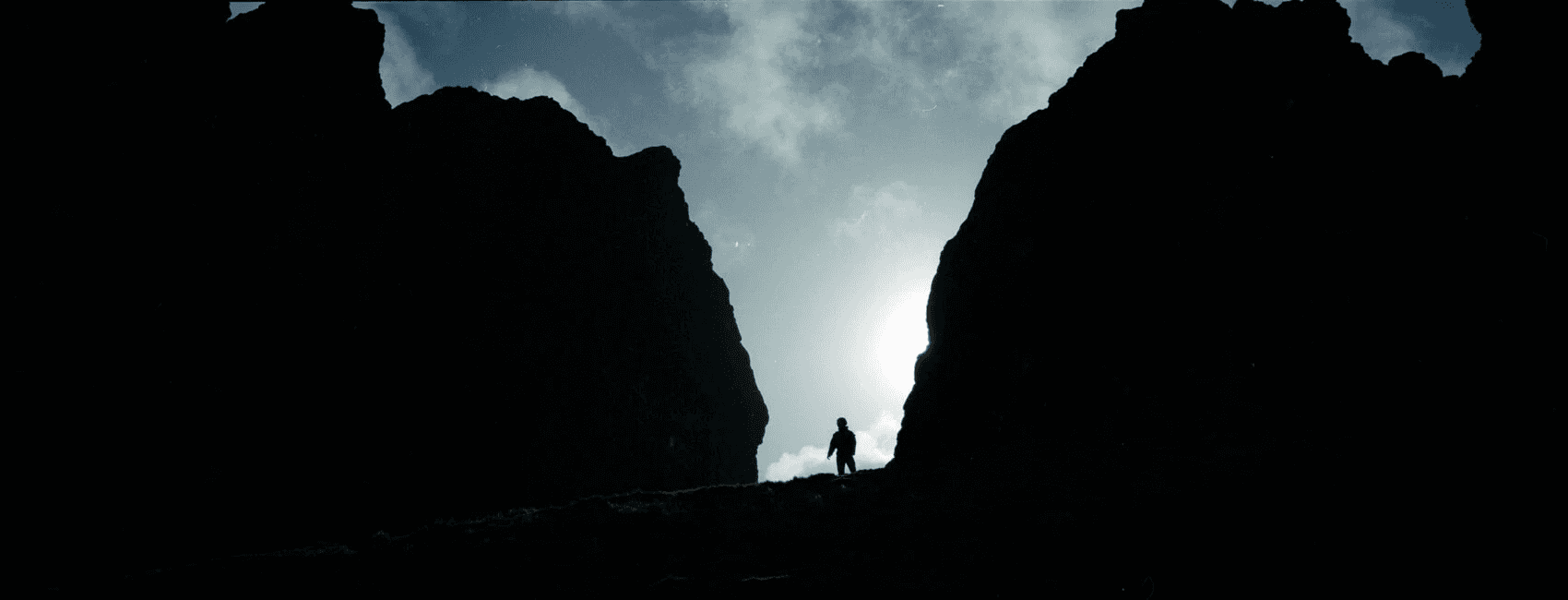
Shot on Kodak Portra 400 on the Hasselblad XPan in Scotland
Experiment with Lighting and Shadows
Lighting can dramatically affect panoramic images, especially in outdoor or natural settings. Try shooting during golden hour or experimenting with harsh midday light to create different moods.
Use Light as a Character: In panoramic shots, lighting can feel like its own character. Early morning or late evening light stretches across the frame, casting long shadows and creating textures that make your image feel three-dimensional.
Play with Shadows: Shadows can add depth and complexity to your panoramic shots. In cityscapes, the shadows of buildings create dynamic lines across the frame, while in landscapes, shadows add a sense of scale.
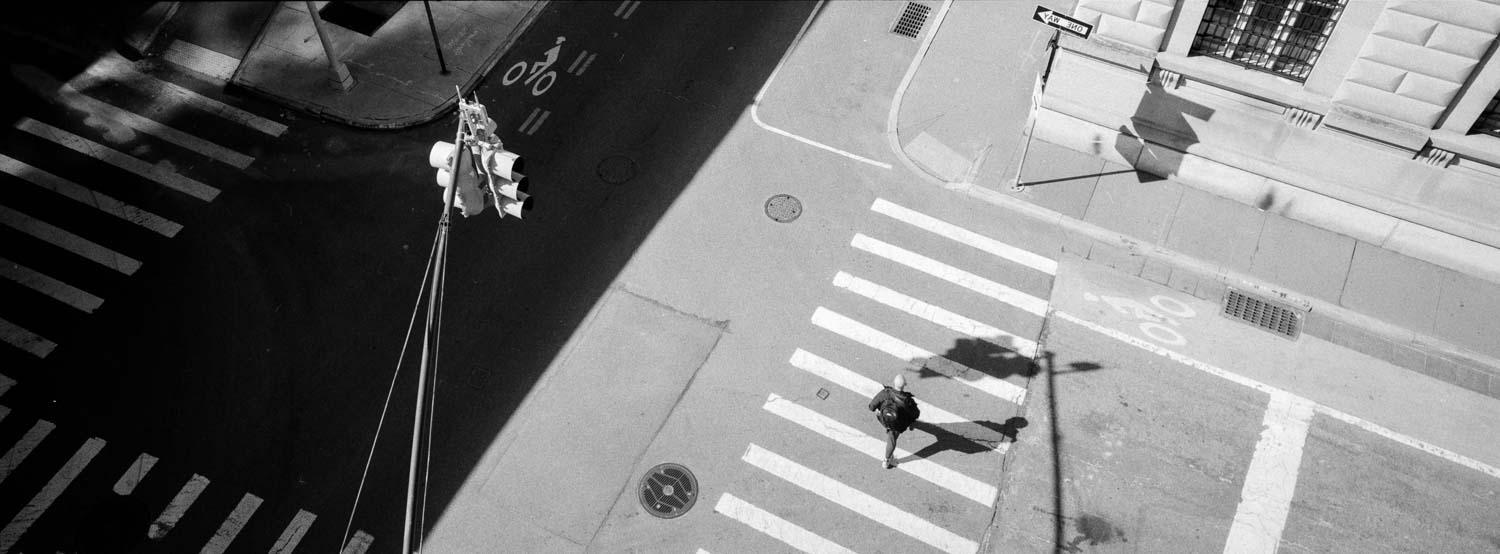
Shot on Ilford delta on the Fujifilm TX 1 in Manhattan in New York City
Try Different Film Stocks
Different film stocks offer unique qualities that enhance panoramic photography. Slide film is great for vibrant colors, while black-and-white film emphasizes contrast and texture.
Slide Film for Saturation: For those who love bold colors, slide film brings out the intensity of scenes, particularly in landscapes and cityscapes.
Black-and-White Film for Mood: Black-and-white film lets you focus on composition and light, stripping away the distractions of color and enhancing the graphic quality of panoramic shots.
Multiple Exposures and Long Exposures
Multiple exposures and long exposures can add an element of motion and surprise to panoramic photography.
Double Exposures: Create surreal compositions by layering two scenes together, merging time and place within the wide frame. This works particularly well with night photography or low-light scenes.
Long Exposures: Use long exposures to capture movement within the frame, like clouds passing over a landscape or the flow of water in a stream. The panoramic format captures this motion with an epic, almost cinematic quality.

Kodak Portra 400 shot on the Hasselblad XPan in Chicago
Pushing Boundaries with the Fujifilm tx 1
The Fujifilm tx 1 is more than a camera; it’s a tool for creative discovery. Its panoramic format challenges photographers to see the world differently, and its versatility opens up endless possibilities, from vast landscapes to intimate portraits. Whether you’re a beginner looking to try something new or an advanced photographer seeking fresh inspiration, the Fujifilm tx 1 invites you to take risks, embrace unconventional compositions, and see where experimentation leads.
So, pick up an Fujifilm tx 1 if you can (they are also available for rent) and start exploring. Load it with your favorite film, and take the time to look through that panoramic viewfinder. Let the unique format inspire you to see familiar scenes in a new light, to tell stories you’ve never told before, and to embrace the beauty of panoramic photography. The surprises and the moments of brilliance that come from the Fujifilm tx 1 make it an unforgettable experience, one that brings the joy and challenge of photography to a whole new level.
Embracing Experimentation: Pushing the Limits with the Fujifilm tx 1
Once you get comfortable with the Fujifilm tx 1, it’s time to push the boundaries of what you can create. Generate some film photography challenges to start experimenting!


