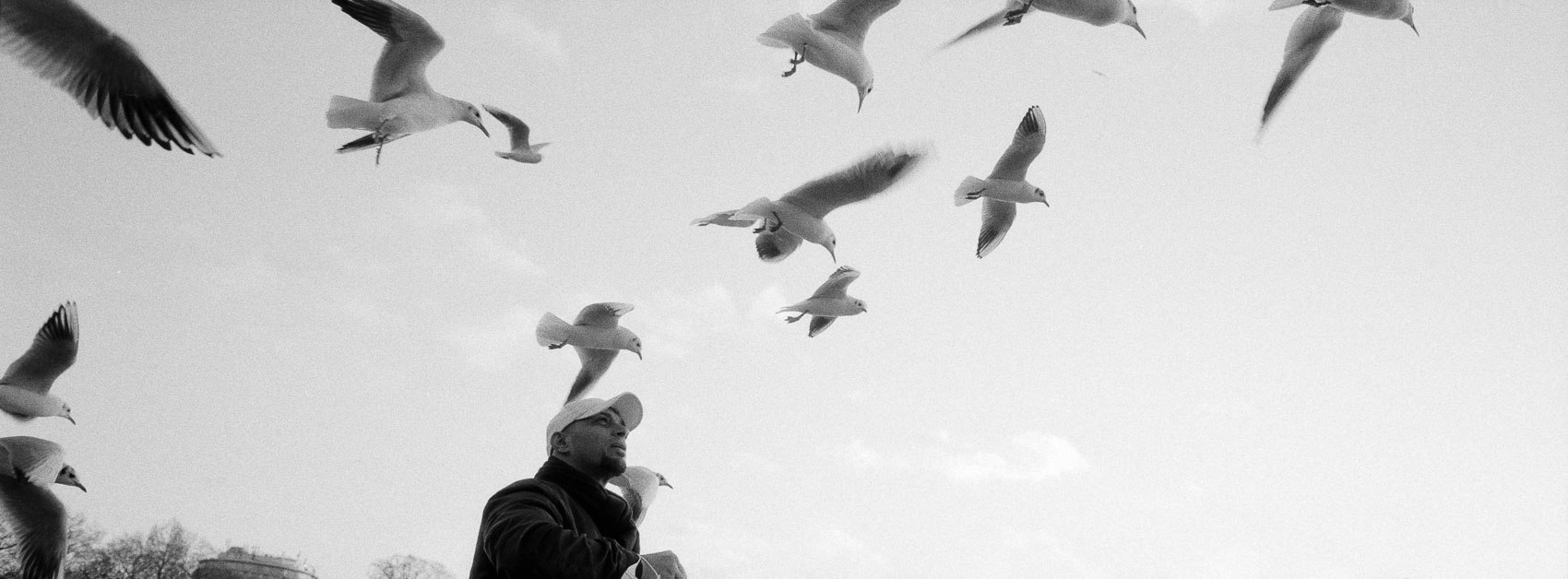
Triptych Wall Art Stories
Some stories want to live in a single frame. One gesture, one horizon line, one look into the lens, and you feel like you already know the whole scene. Other moments feel too layered or too big to flatten into one photograph, especially with panoramic film, where every exposure already hints at a wider world just outside the edges. Over time, that tension pulled me toward triptychs. I realised I often tell stories either in one or in three. That “by three” approach quietly gives viewers more to hold on to: more time, more space, more clues to piece together.
Thinking in sequences changed how I walk into a place. A location, a subject, even a single roll of film becomes less about hunting for the hero shot; it becomes more about building a small story arc. A detail that hooks you. A mid-frame that explains the relationship. A wide that lets everything breathe. That approach fits panoramic work almost too well. These long frames already feel like stills from a film, and arranging them in threes turns them into compact scenes rather than stand-alone postcards. Create your own triptych with my free tool the triptych art composer.
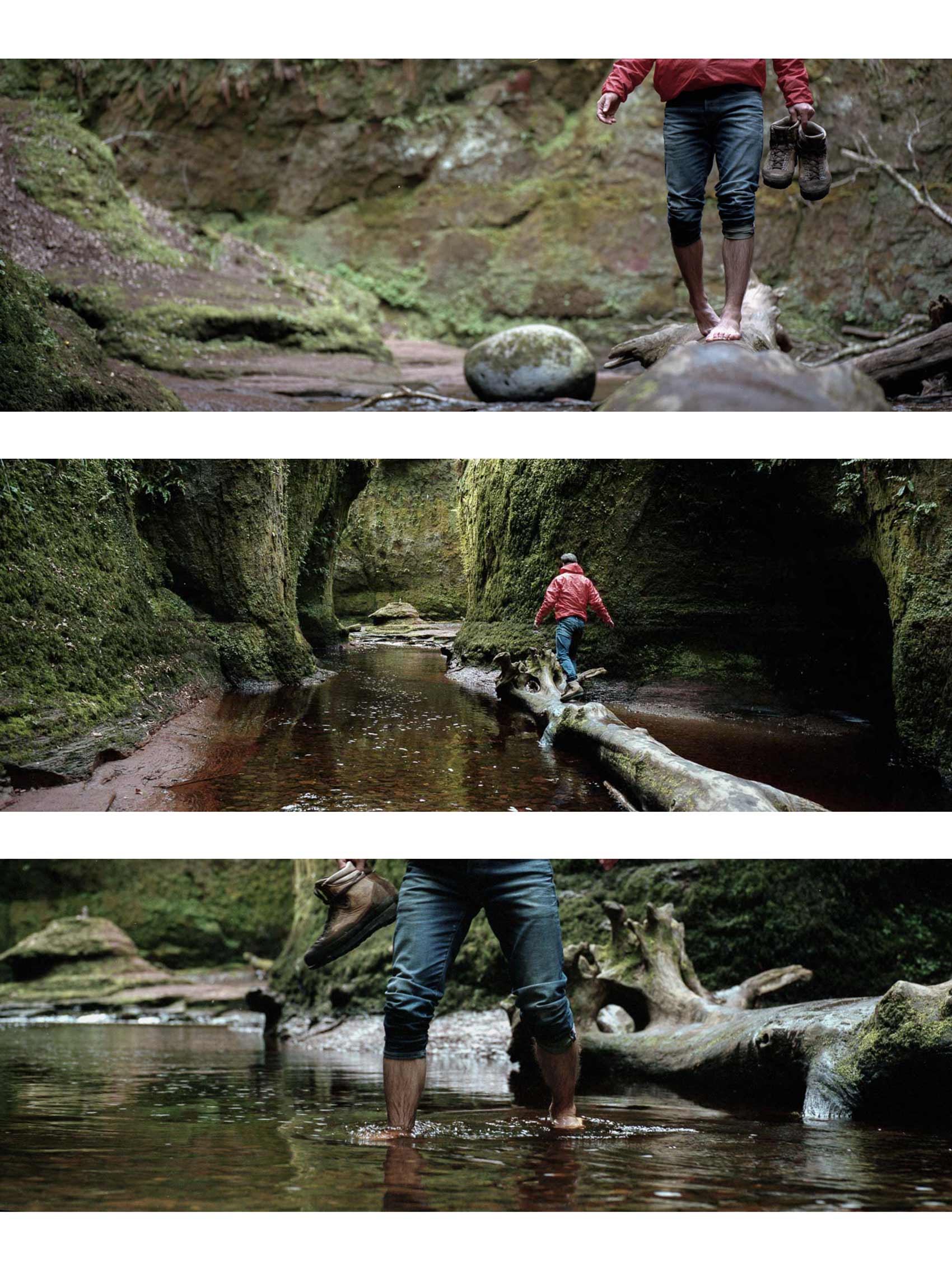
Shot on Kodak Portra
What is a triptych art
Historically speaking, a triptych has its roots in religious altarpieces. These altarpieces consisted of three parts, but together they formed a bigger story or piece. Of the three pieces, the centre panel held the main scene and the side panels added context or symbolism. Although the approach might not be as religious anymore, artists still use it today, as three related images can be presented together as one cohesive work, not just three random photos next to each other. The three pieces can be stacked horizontally or vertically, and historically speaking both are correct.
The idea behind a triptych is that the whole is greater than the sum of its parts. Each part can be justifiably good and stand alone, or be part of the whole, but together they form a bigger and better art piece.
This saying still holds true today, even though it was based on an art form that might have been more abstract or displayed more religious scenes. As a whole, it would project a powerful message; nowadays the three parts together can still tell a bigger story that one cannot perceive through a single piece. Additionally, a triptych is not only defined by three individual pieces that form a bigger whole; it can also be a single piece split into three.
Current contemporary photographers use it both for splitting a single image and for building micro-stories from three separate frames.
Viewer’s Journey in Triptych Photography
Borrowing from cinema feels natural with panoramic film. The 65:24 frame echoes Ultra Panavision ratios like in The Hateful Eight. Close-ups pull viewers into raw emotion. Mids reveal relationships with surroundings. Wides set the environmental scale. Arrange them top to bottom or left to right, and you guide the eye gently from intimate detail to breathing context or vice versa. The top holds a close-up of hands setting up a tent. Centre captures a mid tying subject to action like being close to the tent. Bottom dwarfs the solo traveller against Norway’s endless mountains.
In that Norway series with my friend Chris, the triptych captured the hike’s quiet hardship better than any single frame. The wide established vast emptiness, the close hinted at bone-deep cold and isolation, and the mid showed deliberate steps forward. Viewers lingered longer. They pieced together adventure’s solitude. This felt far more engaging than a loose grid or a lone panoramic; this structure invites beginners to direct their own narratives one frame at a time.
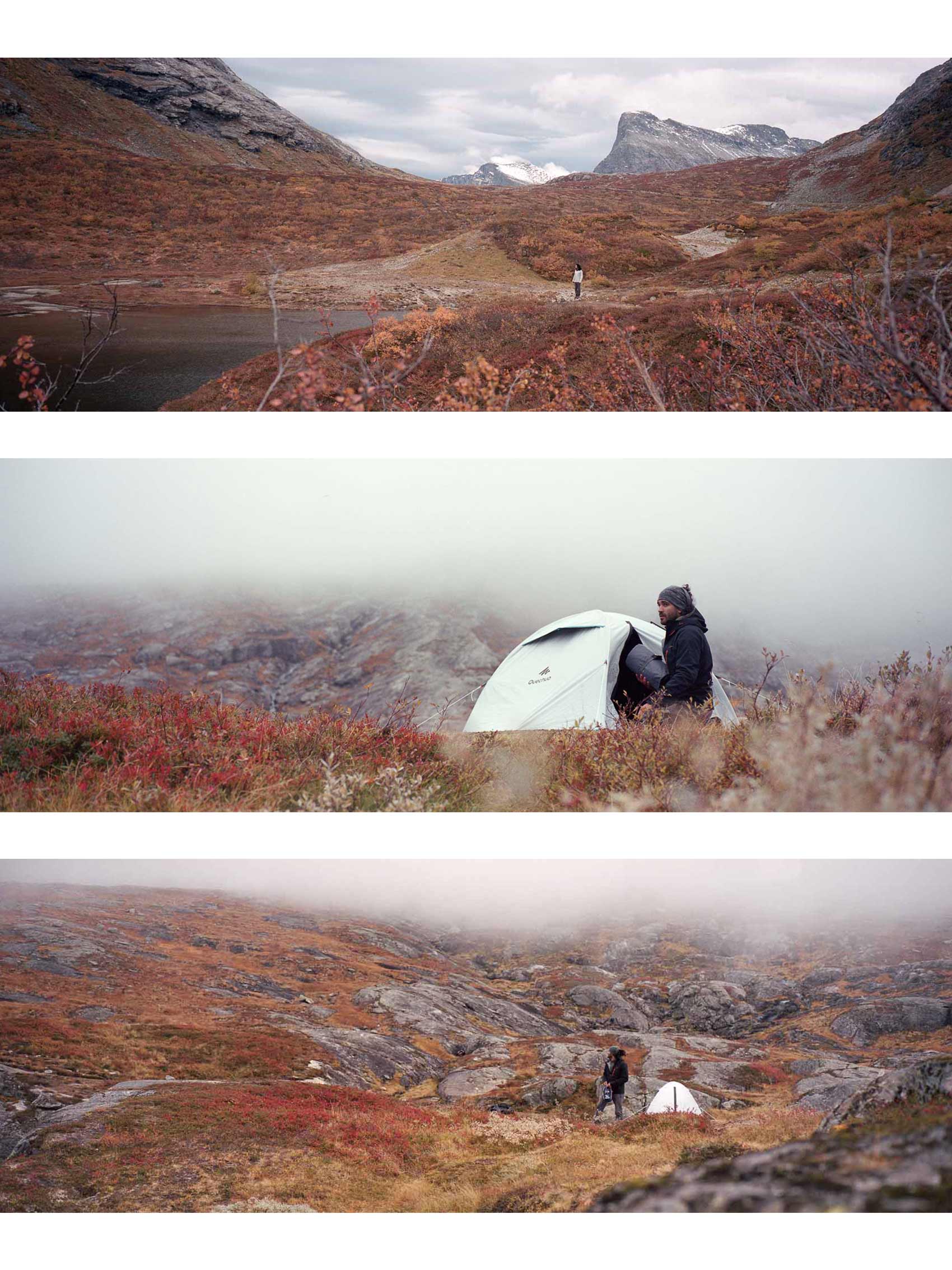
Shot on Kodak Portra
Single Frame Limits in Triptychs
Panoramic frames dazzle with scale, yet they compress stories too much. They leave ambiguity where change or movement belongs. One beautiful shot captured kids balancing on an inflated tire in the Philippines. It felt timeless alone, yet it lacked the deeper rhythm of play amid village life. It hinted at joy. It stopped short. The full story hid just off-frame.It shows a bit of life in the Philippines, but not more; it makes you want to see more, because then the viewer gets really involved.
What pushed me to triptychs? Singles struggle with time’s flow. They freeze beauty but sometimes lack a story. Pairing the tire image with a river bucket scene worked. Wider village context unveiled collaboration’s spark. It drew viewers deeper into unhurried island life.It felt like there was more to it than three frames; one can infer a story beyond the frames, as the frames are connected. Triptychs are more like an invitation to expand. This suits panoramic film’s wide potential perfectly.
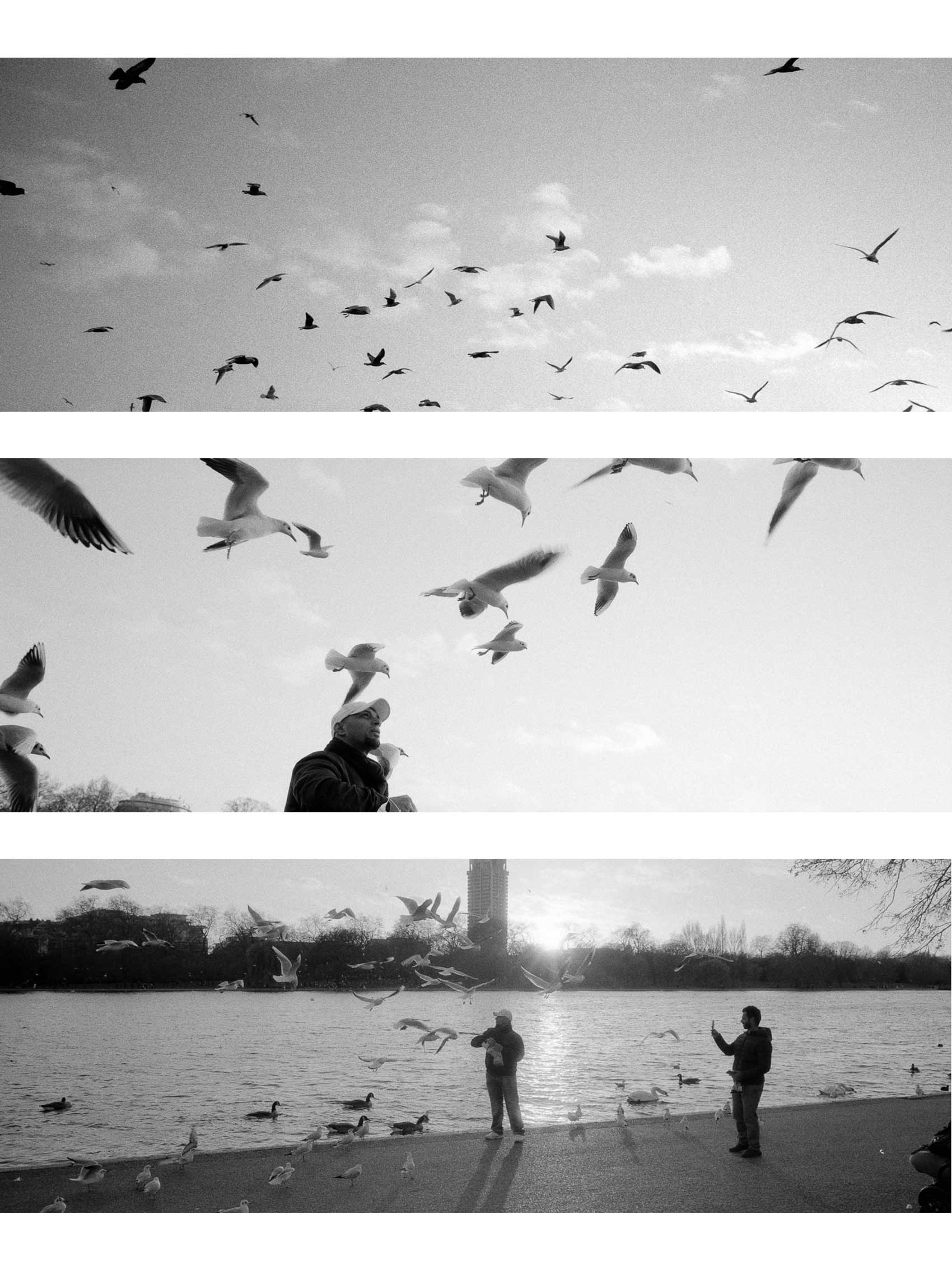
Shot on Ilford delta
Why I Started Creating Triptych wall art
It is very unlikely that you capture a “perfect” frame every single time you press the shutter. Yet the stories around each image always exist. The triptychs allowed me to create series of three that tell a deeper story, either around the “perfect” frame or around a great frame. One can only be fully understood when there is more context, and the other frames provide that context, allowing a beautiful story to develop in one’s mind.
I realised it allows me to tell a story that is more than three frames, as one starts to fill in the blanks in between the frames. The frames give context but leave some space open, and the mind starts to wander and fill in the gaps.
Additionally, I think an image is remembered better due to its story than its beauty. Therefore, I can’t think of a better way to convince the viewer of the beautiful story than by adding more context. When the context is understood, the viewer might go back to the preferred image of the triptych and glance at it again to “see more” the second time around.
Panoramic Film and Triptych Photography
I already enjoyed triptychs before I started to shoot panoramas, but I never found the true purpose for them. When I started to dive into the panoramic world of photography, I realised quickly that, given the aspect ratio, a lot is gained and a lot is lost. Each panoramic frame felt part of a bigger story, but the bigger story I didn’t create. It felt like stills from a movie, each frame a small moment of a bigger story. Once I realised I wanted to see more, I started to use them as building blocks and developed a love for triptychs.
Types of Triptych wall art
There are three types of triptychs you can make. Depending on the story you are trying to tell you can decide which one is best for you.
Single scene triptych – the same scene split into multiple pieces.
Single scene development triptych – these were more common as altarpieces; these show different moments from the same location, giving you an indication of a single moment’s development.
Subject-focused – shows different scenes of the same subject. For example, a close-up of a person, a mid shot showing their relationship to the environment, and a wide establishing frame of where they belong.
Detail–context–abstraction triptych - one literal detail, one contextual frame, one more abstract or graphic interpretation of the same theme.
Any of these can be about a specific theme, shared subject, colour, or perspective. The approach works for any type of subject as long as the goal of the triptych is clearly defined.
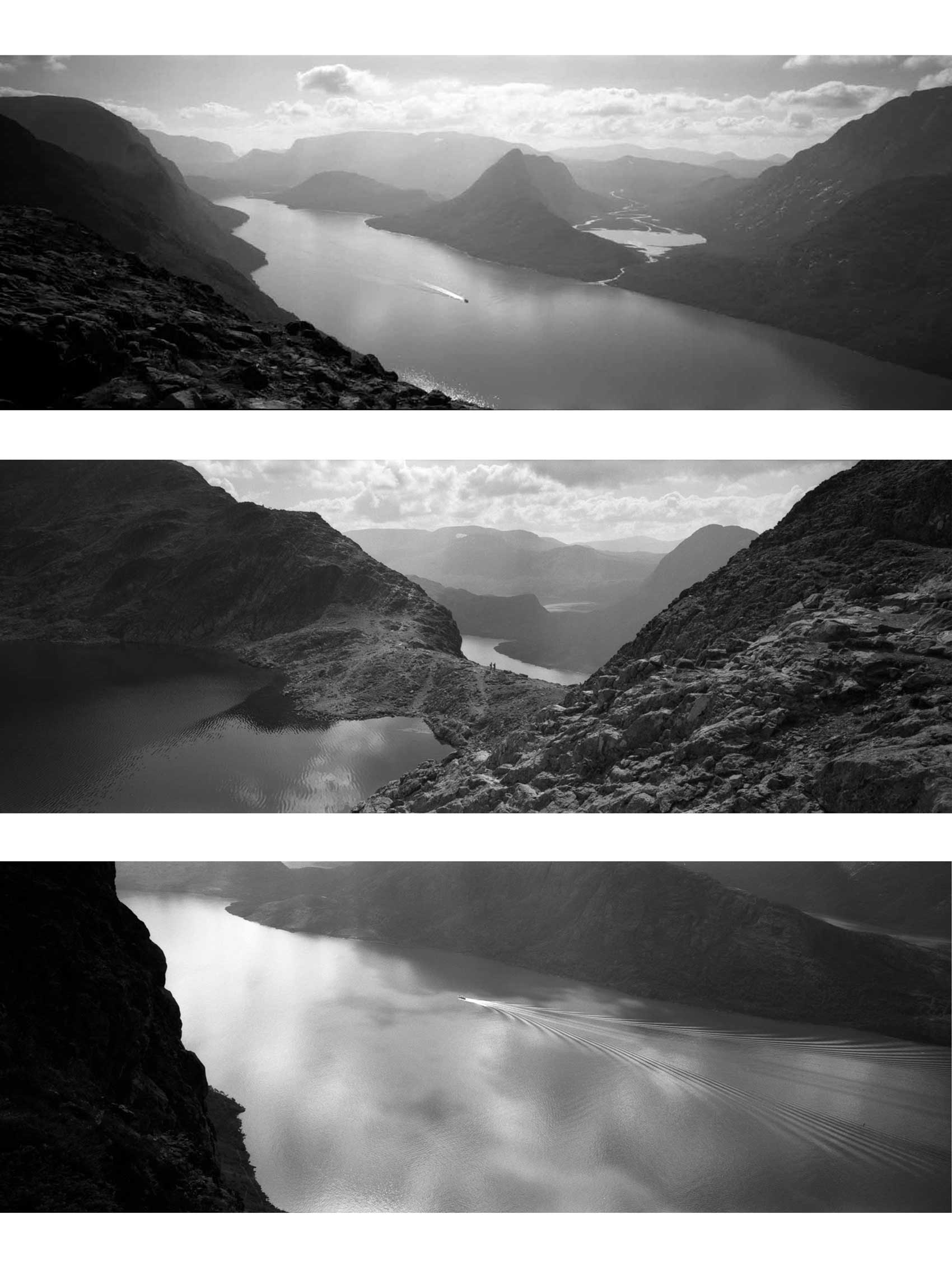
Shot on Ilford, see full story of Besseggen in Norway
Triptych Photography Tips: Where to Start
If you are considering creating a triptych, start simple. It can actually be more difficult than it looks, just because the story that flows through the three should be well connected. If you already have multiple images that you want to try together, try my free tool the triptych art composer.
Start with a simple theme: pick a place, person, or emotion and commit to telling this story in three frames. Pick one of the approaches described in the previous paragraph. If you are into landscapes, a simple start would be a single scene development triptych. It requires you to have or make the same scene three different times. This could be a landscape at sunrise, midday and night.
Each frame carries a specific part of the story, and each frame should focus on an emotion of the bigger story. It is important to either perfectly plan your three frames or shoot multiple frames and afterwards pick the ones that combine best.
When in doubt, look for inspiration first before starting. We can’t all come up with interesting ideas all the time. It is about making sure you have a starting point and then letting the creativity flow, and this can very well be with a triptych that you want to almost replicate.
Final Thoughts on Triptych Art
Working in triptychs has deepened my patience with the process. It asks you to sequence deliberately and live with images longer before deciding they are finished. Now when I look at contact sheets or scans, the hunt shifts. I no longer only chase one hero shot. Instead I also search for three that resonate together, each leading to another to tell a story.
This way of working suits analogue panoramic photography perfectly in my eyes. The slower rhythm forces intention. Every frame roots itself in storytelling, turning wide vistas into narratives that unfold across panels. Triptychs remind me why film pulls me back, time after time. They make the edit as creative as the capture.


