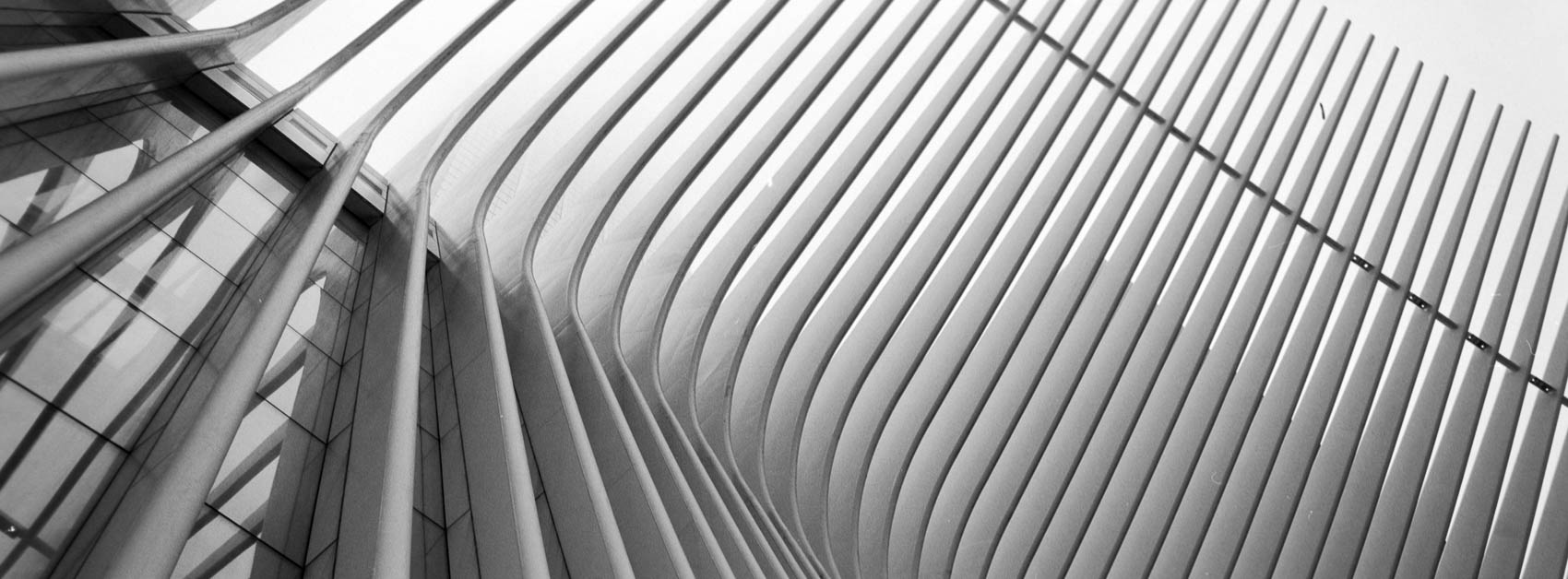
Photographing shadows basics
Have you ever received a developed roll of film that had a photo that was underexposed, where the shadows turned to murky black? Was it one of the photos you were really looking forward to seeing developed? It happens to the best of us, but it can be prevented.
Every film stock has a limited ability to hold detail from deep shadows to bright highlights, often called its dynamic range or film exposure latitude. the bigger the dynamic range, the further apart the preserved details are—from dark details to bright details. However, with every type of film some restrictions apply, not every film can hold the same latitude. Therefore, when you are photographing shadows on film and follow a meter reading carelessly in a high‑contrast scene, you can easily crush the shadows into pure black or blow your highlights into featureless white and lose all detail along the way.
The Zone System is just a way of deciding where in that range to place your important tones before you press the shutter. Once you understand that, exposing and photographing shadows on film becomes a deliberate choice instead of a gamble.
Simplified zone system for film (Without the Headache)
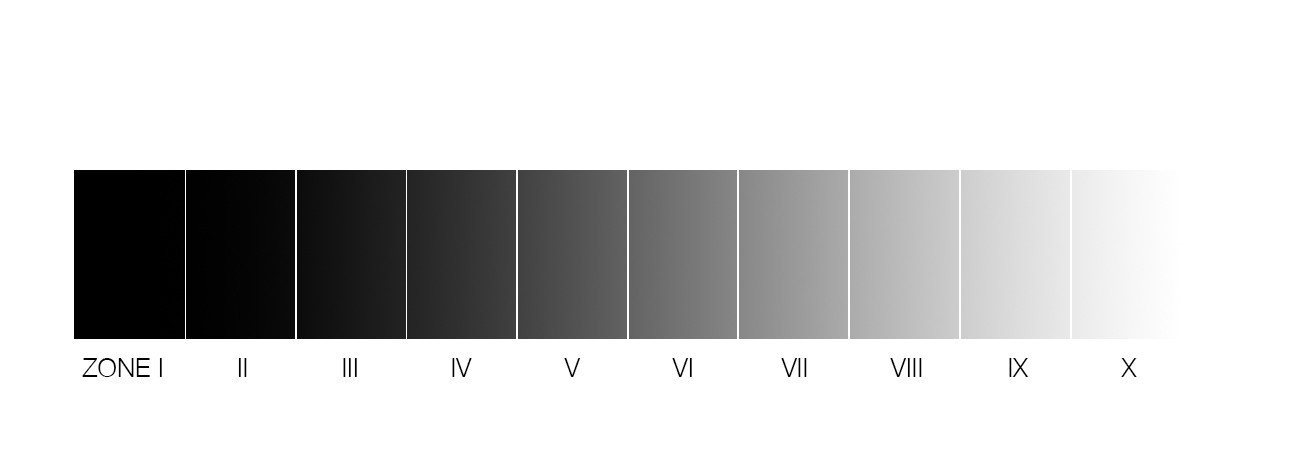
The classic Zone System divides tones into 11 “zones” from Zone 0 (pure black) to Zone X (pure white), each zone being one stop apart. In the zone system for film photography, three zones matter most for the right film photography exposure:
Zone III: dark areas with just enough texture to still show detail.
Zone V: middle grey, what most meters assume the world looks like.
Zone VII–VIII: light areas with texture (skin in bright light, clouds with detail).
Your light meter always wants to turn whatever you point it at into Zone V, even if that thing is a deep shadow or a bright highlight. Using a simplified zone system for film means you just ask: Is this area really meant to be mid‑grey, or should it be darker or lighter in the final print or image—especially important when photographing shadows you want to keep detailed.
When and how to expose for shadows
In Zone System terms, “shadows” are the darker parts of the frame that still carry some texture. Imagine a bark texture on a tree trunk, wrinkles on dark clothing, or stone detail in a shaded wall. On the scale, these usually live around Zone II–III, with Zone III being the classic “shadow with detail” and then Zone II being very dark with only remnants of a shape.
When you are photographing shadows on film, this is the range you are really protecting.
How to Keep Detail in Shadows
For controlling contrast on film, it helps to think of shadows in two groups:
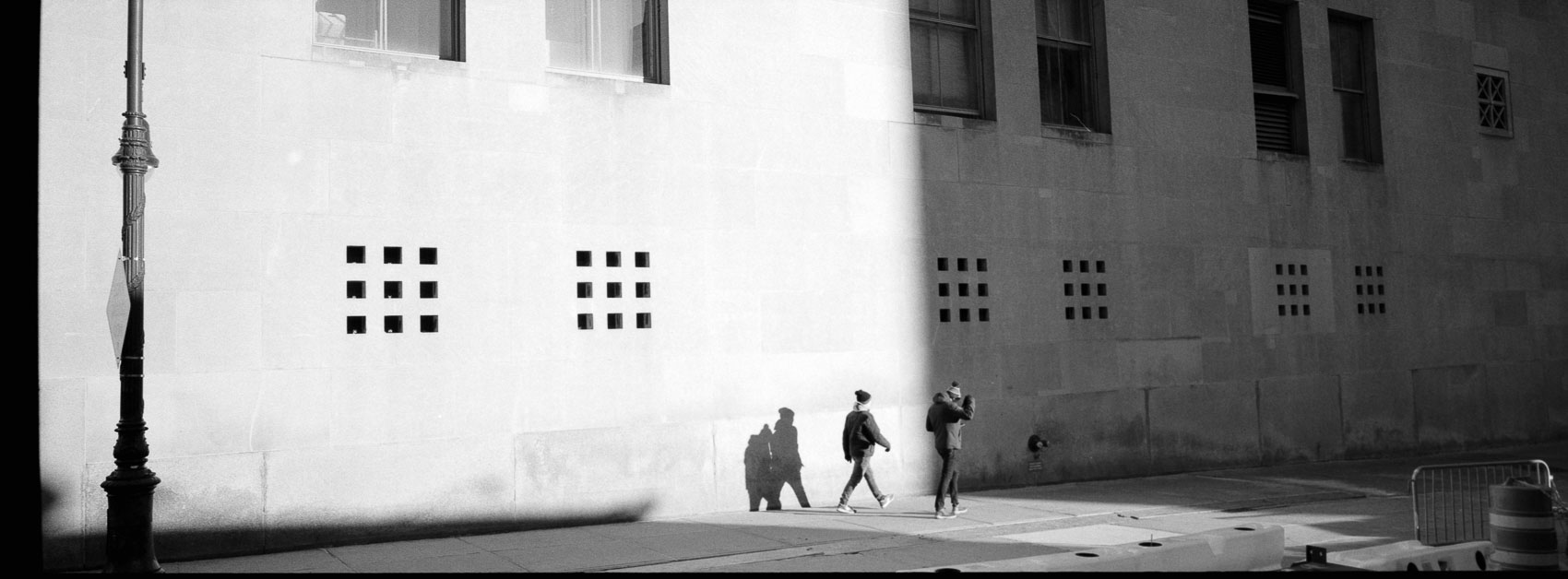
Shadows you want to keep readable (Zone III).
Shadows you’re happy to let fall toward black for mood (Zone II).
Once you consciously decide which is which, film metering reading becomes much easier because you know which area deserves protection and how to expose film for a high‑contrast scene when photographing shadows.
For most negative films, the classic advice is to expose for the shadows when the scene is contrasty. That means:
Point your meter (or spot meter) at a shadow area where you still want to see texture.
Take the film meter reading.
Open up about two stops from that film meter reading if your meter assumes mid-grey, placing that area around Zone III instead of Zone V.
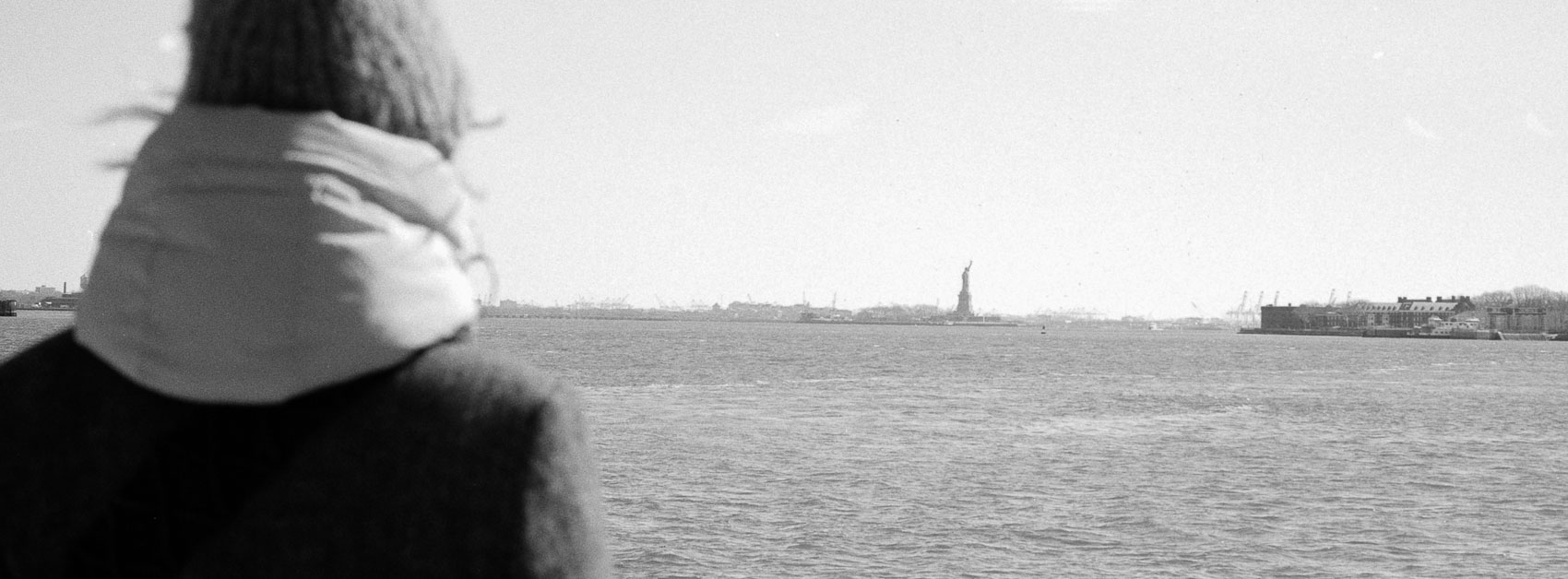
Negative film usually has a film exposure latitude that is not very forgiving for shadows, negative film tolerates a bit more of overexposure than underexposure. If you underexpose, your shadows slide down into Zone I–0 and you lose recoverable detail, which is almost impossible to fix later in the darkroom or scan. While overexposure doesn't lose details as easily as in the shadows. This is why, when photographing shadows on film, it’s safer to slightly overcompensate on the side of overexposure.
Balancing contrast in film photography (Artistic Intent)
There are plenty of situations where you might not want to balance anything and let shadows go inky for mood. But when you want a more classical, full‑range negative, balancing contrast in film photography—and especially deciding how you’re photographing shadows—becomes part of your artistic intent [link to capturing low light photos].
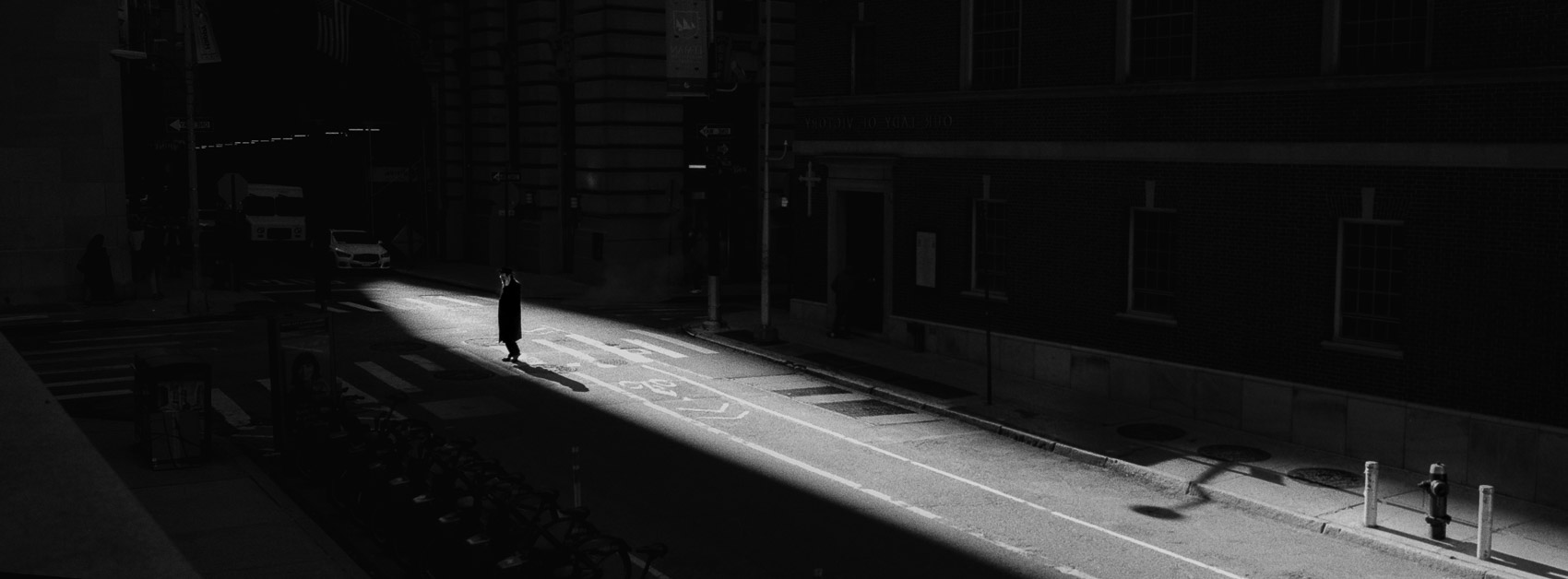
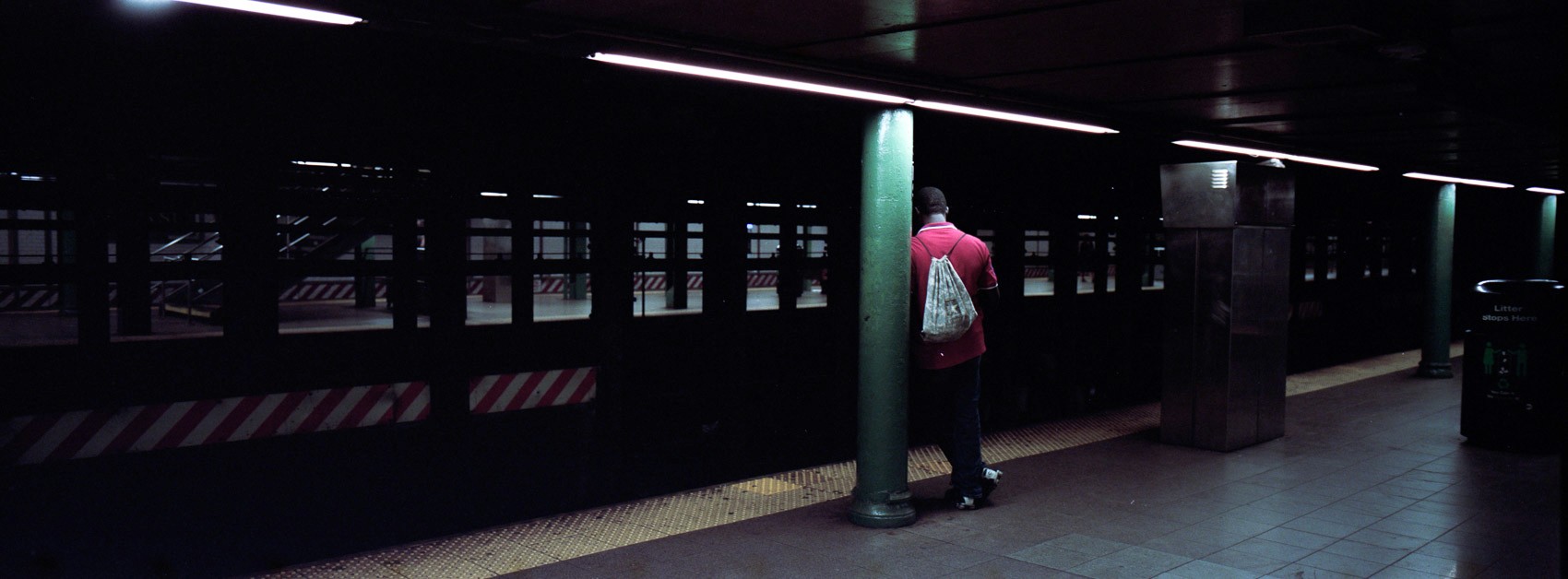
For example when I shot the image below in the NYC subway, I knew I was exposing for a scene for which the majority of the scene should be leaning towards black. This was my artistic intent for this image. Whether it was going to be black or muddy, would be something to find out later. Time was crucial here, as I didn’t know how long this scene would exist. Therefore, I accepted the potential big gap between the highlights and shadows and exposed for the subject to be mid grey. The subject was to be the person on the platform. However, shadows would be the majority of the frame, but didn’t care for the details in them. If I had cared I should have measured the light for the background as well and see the difference and make a decision to get the best exposure.
In some cases your artistic intent matters more than the correct exposure. Know what you are shooting and what you want to get out of the photo and set your exposure for that. I rarely let shadows become murky, as this is not something I often like or prioritise in a shoot when photographing shadows, however this does not mean it is wrong.
How can you stretch your shadows
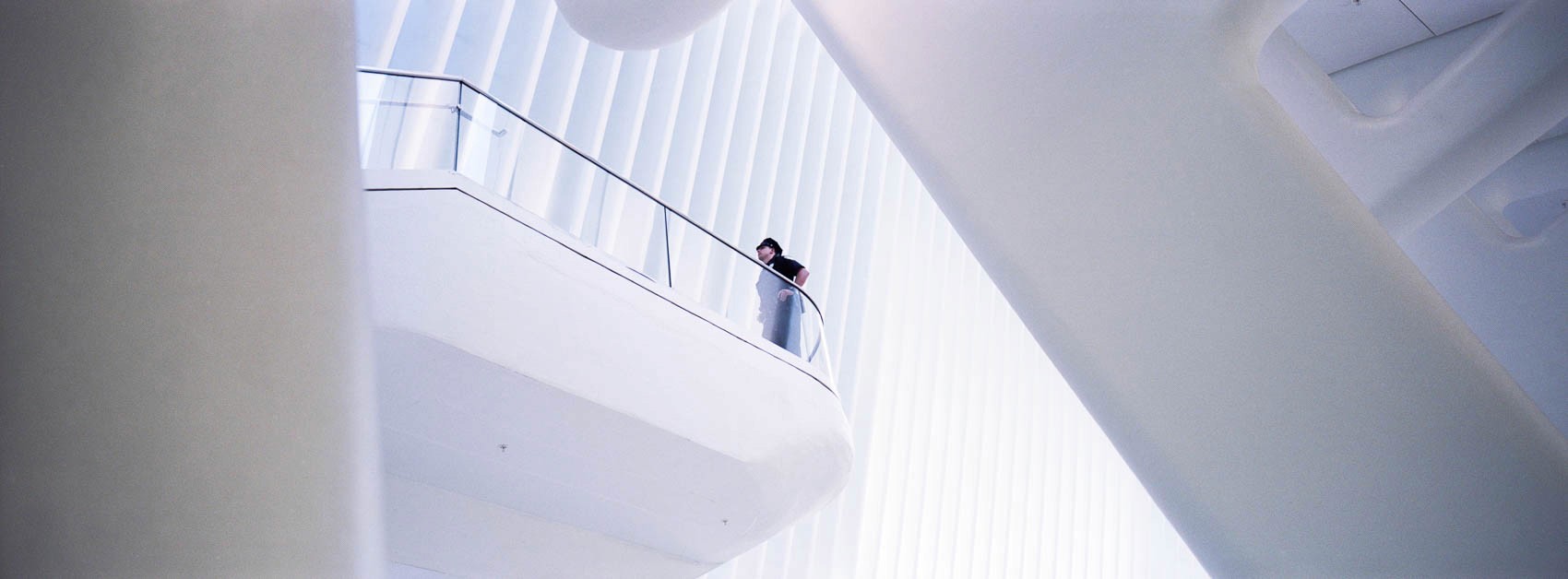
In practice, most film stocks can comfortably resolve around 7–9 stops of useful detail, depending on the film and development. If the scene contrast (difference between the darkest shadow with detail and the brightest highlight with detail) fits inside that range, you can place shadows around Zone III. If it is hard to measure your shadows, expose for the highlights and calculate where your shadows should be and adjust exposure accordingly. Your main priority when photographing shadows on film is having detail in the shadows or completely sacrificing them. Pick one.
When the scene goes beyond that range, you have three main options:
Sacrifice: Let some shadows fall into true black or some highlights blow to white, depending on what supports the story best.
Change the light: Move your subject, wait for different light, use reflectors, or adjust your camera position to reduce contrast.
Change development (for black-and-white): Use pull processing (N−1) to tame contrast or push processing (N+1) when you want more punch. This is still something I am experimenting with as it affects how Zones spread on the negative.
A simple way to think about it in the field: if you meter your key shadow and key highlight and count more than 7–8 stops between those readings, you’ll need to either accept losing something or change how you’re shooting, especially if you care about photographing shadows with detail.
Using the zone system to meter film for shadows
To tie it together for using the zone system to meter film, here’s a field‑friendly routine for film photography tips when photographing shadows:
Identify your important shadow.
Decide which shadows need texture, then meter them. Then place your shadows around Zone III by opening up two stops from the mid-grey reading.Adjust for your intent.
If you want a low-key image, shift your placement so more tones sit in Zones I–III
This approach keeps balancing contrast in film photography practical rather than theoretical, and works whether you’re using an in-camera centre-weighted meter or a handheld spot meter.
From theory to photographing
On paper, these film photography tips are great, but when talking about Zones III and VII it can feel abstract. In the field it becomes very concrete: “this dark coat still needs texture” when photographing shadows on film. Every time you meter a high‑contrast scene and ask where you want the detail to sit, you’re applying a simplified Zone System for film.
With repetition, this becomes less about numbers and more about instinct. You start to see scenes in bands of tone, pick an exposure that fits your film’s dynamic range, and accept any lost detail as a deliberate stylistic choice instead of a surprise.
This week shoot a high‑contrast frame where you consciously focus on photographing shadows, and reply to my email with your results. We'll troubleshoot together.


