Intention at Machu Picchu Elevation: Choosing a People‑Focused Journey
Initially I was thinking of two places to visit: Guatemala and Peru. I did a coin flip and it landed on heads and that meant Peru. Whilst looking into Peru, one thing that fascinated me was the diverse landscapes it has to offer. There is beach near the ocean, then there is the Andes mountains and further inward towards Brazil there is the jungle.
Each part has a unique set of people and cultures to explore and therefore I set out with the idea to get to know a little bit about each. It became a people-focussed and culture-driven trip, and photography would be the medium to capture the differences and similarities between each distinct group of people.
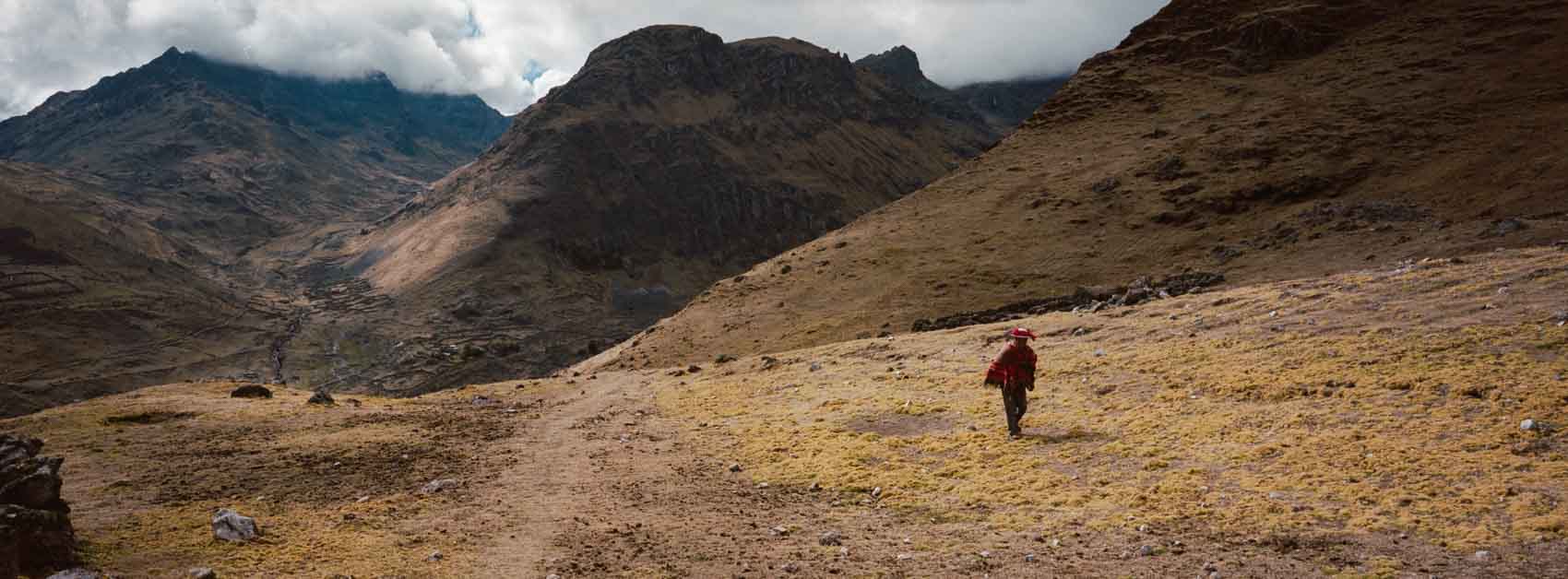
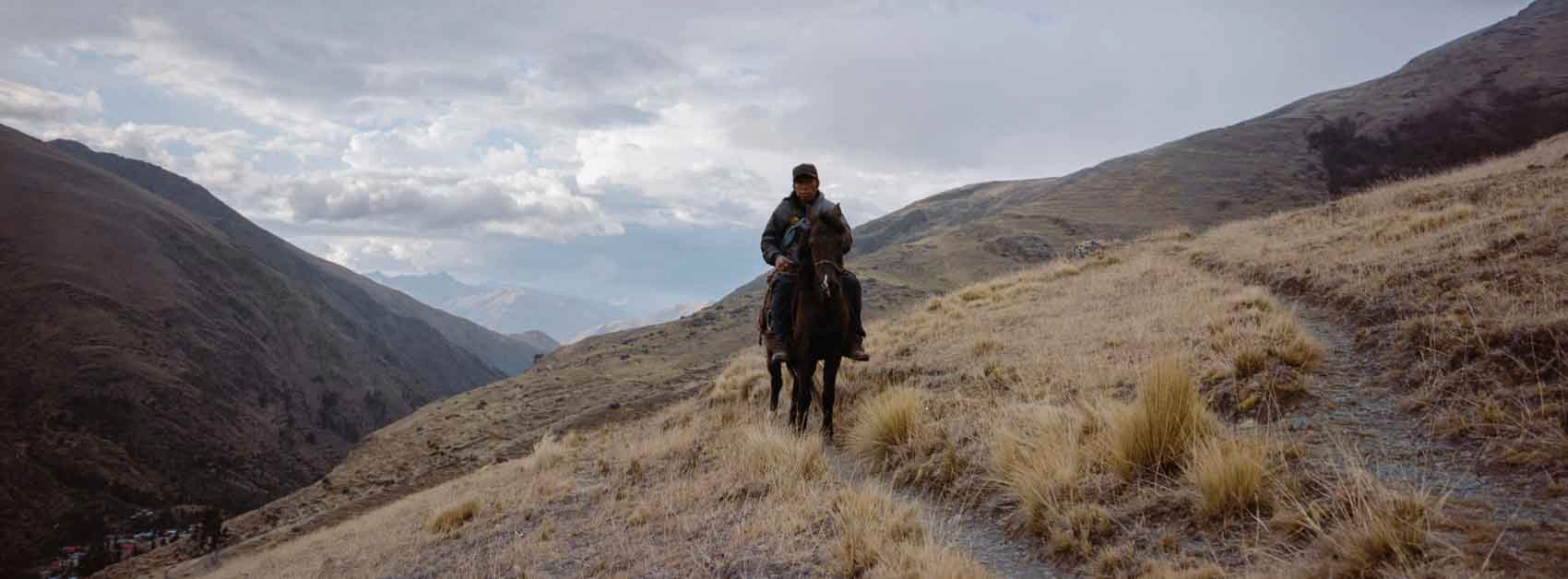
When I was looking into Machu Picchu, there were many different trials one could walk. However, one stood out for me, a cultural tour through the Andes mountains. A 4 day tour, with the final destination: Machu Picchu. Along the way we would ascend to great elevations, stay at homestays, meet the Andes people and witness great panoramic views. It sounded like this was the one I needed to do, even though it was a less popular tour. I believe one of the great opportunities we have when we travel is step outside our bubble and witness and experience how life can be very different elsewhere. With this opportunity in front of me I decided to immerse myself in the culture in the Andes mountains and potentially capture some of it.
Walking into Boredom: Why I Chose Hardship
Four days of hiking through the Andes mountains reaching far beyond the Machu Picchu elevation is a hardship and for many people, boring. However, for me it strips away the distractions, it lets me be in the moment. I perceive hiking as meditative, which directly translates to creative empowerment. Every little thing I encounter becomes a story to tell, just like my Besseggen trip [link to my besseggen trip blog].
Film photography allows me to remain in the moment and capture things I can’t play back. This limitation does not allow me to ponder about the frame, the timing or the choice of the previous image. Film photography allows me to see what is there and either capture it or not. In combination with 8 hours of hiking at high elevation, I sometimes couldn’t even recall when I took photos. All I wanted was sleep by the end of the day.
This particular hike started at around 3300m altitude (10 000 feet) and for 2 days we climbed and climbed to 4900m altitude (14 000 feet) and it took another 2 days to get back down to 2200m (6600 feet) to Machu Picchu elevation. During this time you are depriving yourself of all distractions. The only thing you focus on is putting one step in front of the other. The weight of a heavy backpack does not help and breathing hard because of the altitude. The bare essentials in life become prevalent and nothing else becomes as important. Somehow during this time, my brain starts to process recent events in life and creates space for creative storytelling. Hiking, for me, becomes an initiator of creativity and in combination with film photography the creative spark never ceases to exist as I can’t evaluate my work in the moment.
Thin Air, Big Frame: Climbing Beyond Machu Picchu Elevation
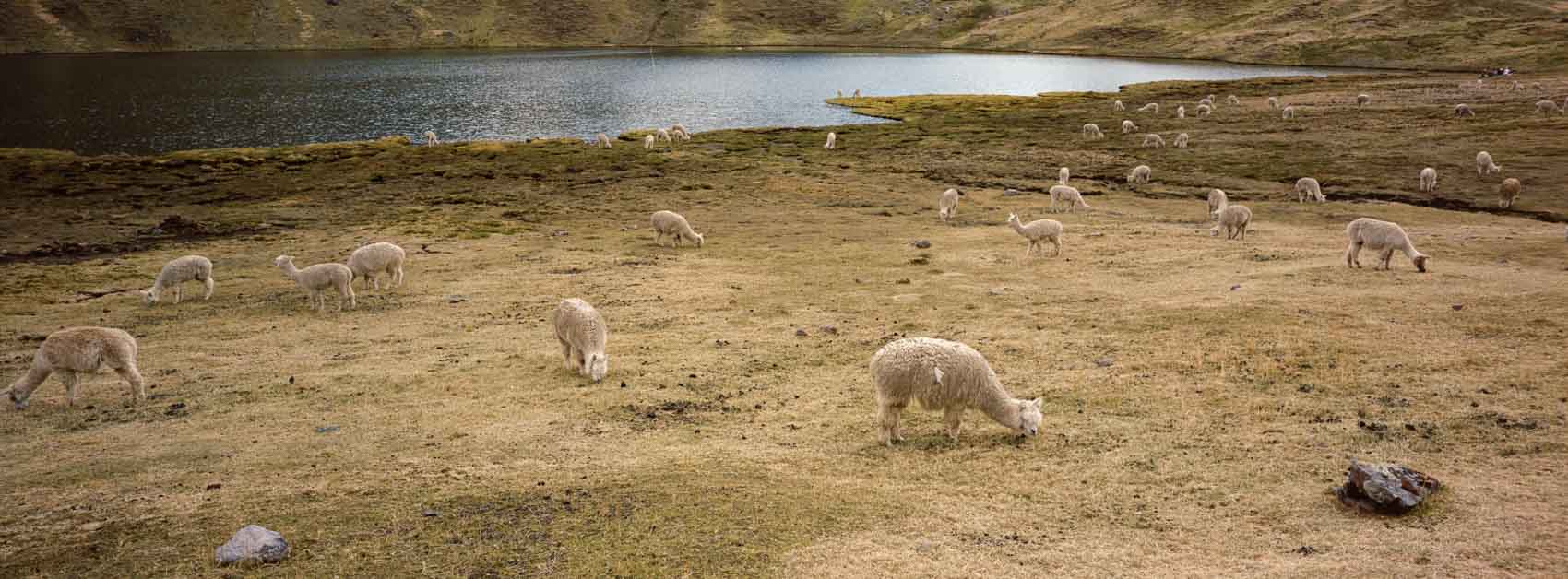
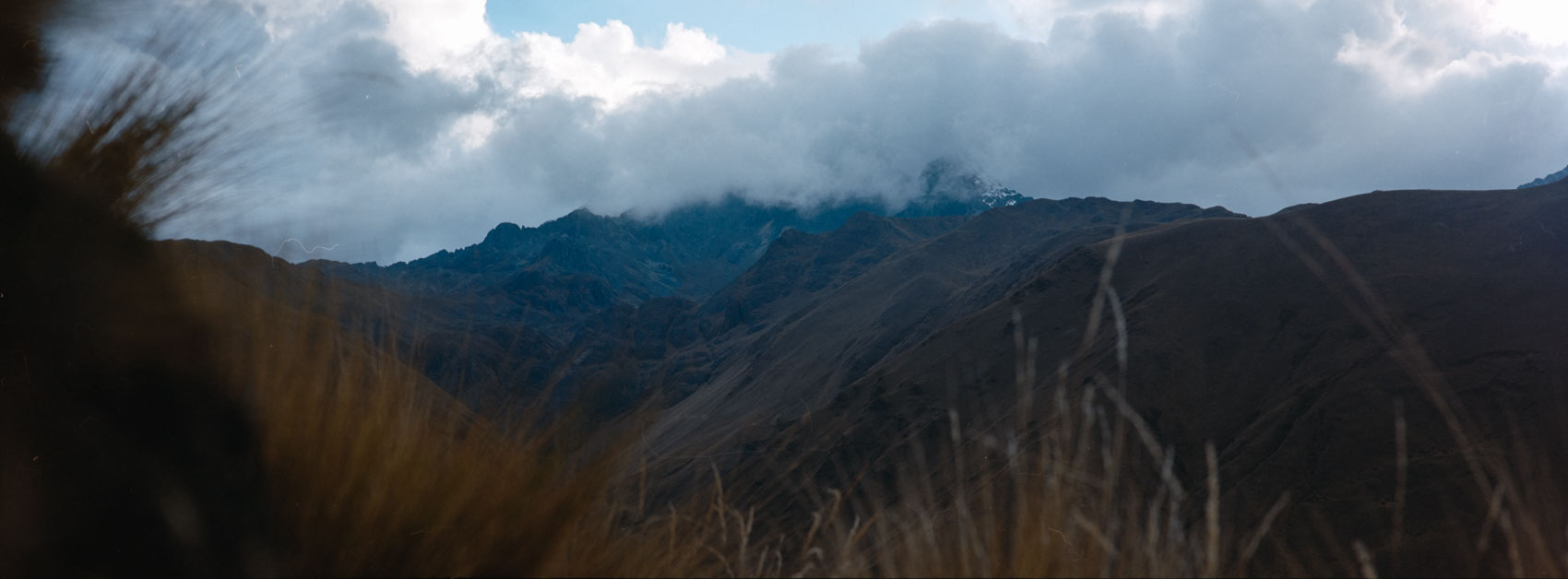
Day two was the moment the trek really pushed far beyond Machu Picchu elevation, climbing from already thin air into genuinely demanding altitude. At heights where the wind cuts through layers and every breath reminds you that Machu Picchu elevation is relatively gentle, the panoramic frame suddenly feels both tiny and impossibly wide. Each time when a peak is reached there is natural euphoric feeling, which somehow is always emotional as well. Especially this time.
When walking towards the highest peak of the trip, you think you see the highest point, but there is always a higher point beyond it. Additionally, at these altitudes it can get cold quickly, the air is thin and your body is tired. As cherry on top, our highest moment was on a pass, located in between two even higher peaks and the wind was strong. In the last hour or so everyone kept their heads down and focused on putting one foot in front of the other.
Every 5 mins or so, we would stop to take in the views, at least that is what we said, but mostly because we had to breathe as the body was still not used to the lack of oxygen at this altitude. With the weather changing rapidly, the environment looked completely different every time we stopped. Which made the following question arise every time: is this worth capturing?
During the last part of the ascent, the struggle was real, but I knew for certain that I wanted to take a photo at the top of the incredible views to go into my photo diary of Peru. When we reached the peak, it was hard to stand straight, because of the powerful wind. Yet, I still loved the experience and the views, I took out my camera, clicked and nothing…
When the XPan Gave Up at the Highest Elevation
The 8888 error is the error of doom. I’ve had it once before, that time it was out of use for over 1.5 years.
The 8888 error can mean several things. It could mean the curtain motor needs oil, it could mean there is a electrical short-circuit, or that the batteries are faulty. By the time we reached a windswept pass towering over Machu Picchu elevation, my Hasselblad XPan flashed the dreaded 8888 error and simply refused to fire. Any type of photography can result in this situation, but analogue cameras are slightly more likely to encounter this issue, just because the equipment is old. However, the camera was just fixed, therefore this was totally unexpected. In this case, the conditions definitely didn’t help.
No matter what, it wasn’t a painless experience. Even though I wrote an article about how to troubleshoot errors with the Hasselblad Xpan [link to repair blogost], I was not able to resolve this at the top of this mountain pass. Gear is vulnerable, especially if it is electronic from that era. Whilst the body of the camera is built like a truck, the electronics are vulnerable.
My heart racing as I was hoping it wouldn’t mean I could bin the camera. I got all the feelings, I got frustrated, I felt extremely sad and everything in between, whilst being on top of the mountain. Luckily I made the decision to get a back up camera in Japan due to my previous experiences and I could still continue to shoot photos, but it didn’t lessen the pain.
One Camera, One Roll: Rethinking My Approach
It set me back one camera and limited me to one roll of film at all times of the day. This made me pick my film carefully. For me it was the first time traveling with both cameras and then suddenly I was back to one.
I started to shoot consciously. Up till that point this meant I would pick the Hasselblad XPan or the Fuji TX‑1 depending on the film loaded in each. Chose a body depending on the film loaded inside it. From that mountain pass down to Machu Picchu elevation I had to pick every frame of film carefully.
Due to the circumstances, I forced myself to shoot more, not to be as conscience about colour or black and white, but to get as many moments in as possible per day. The circumstances were very different per day that I wasn’t sure whether my roll of film would suffice for the next day. With Machu Picchu approaching rapidly, I had to prepare my camera. Either shoot and finish my roll or carefully load another and hope it would be the right choice for the final destination.
Luckily, I perceive limitations as catalyst for creativity. Too much freedom leads to choice paralysis, whilst with limitations one tends to work around them. From here on out, I was back to my normal mindset, shoot what I see and work with the limitations. It sharpens the eye, it makes me pick up my camera carefully and with intend.
Life at Machu Picchu Elevation on Panoramic Film
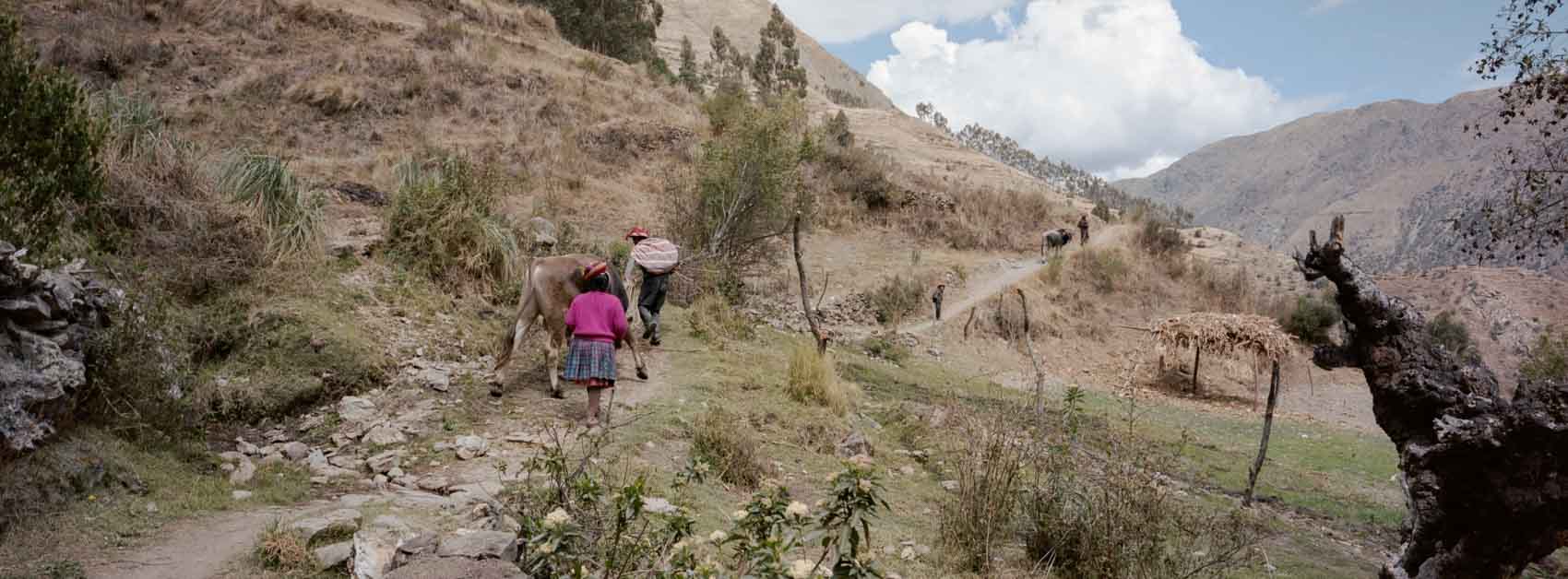
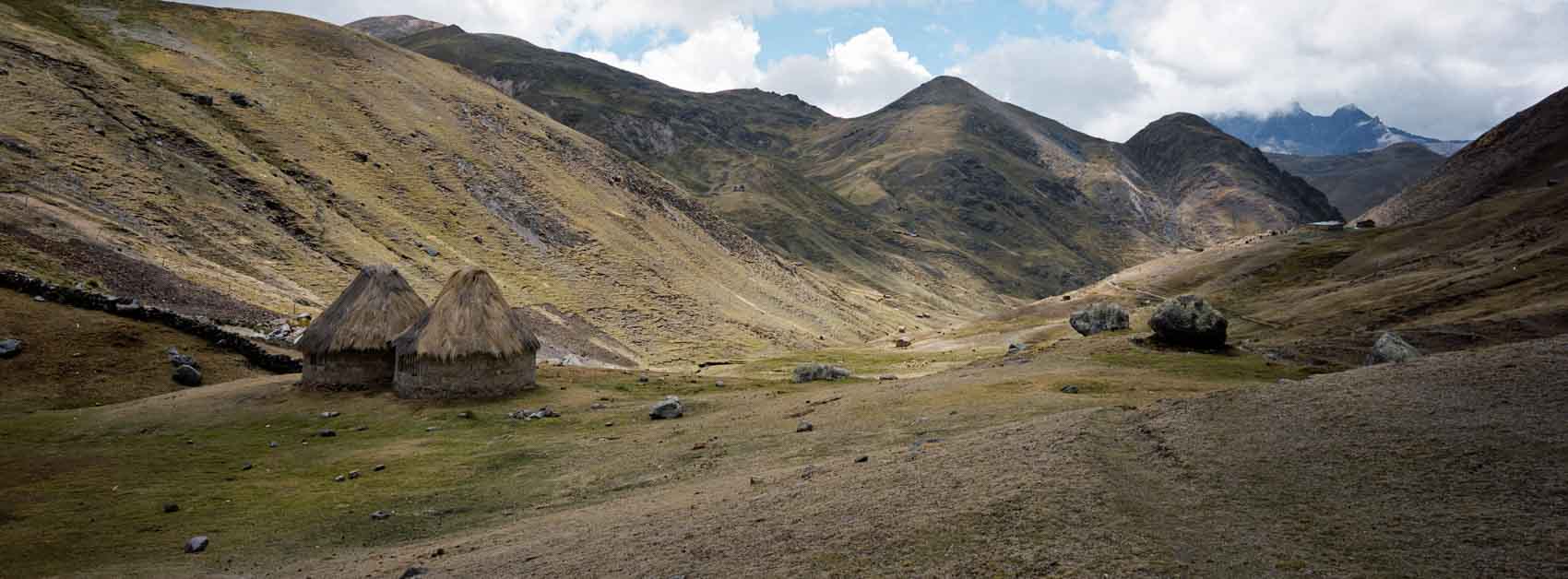
After descending to Machu Picchu elevation, we walked through some gorgeous scenery. However, like everyone, spending 4 days in gorgeous scenery makes you think it is normal. Therefore I continued to force myself to pick up the camera and shoot film. Luckily my main goal was not to shoot scenery, but mostly people and culture. The scenery was just part of the goal.
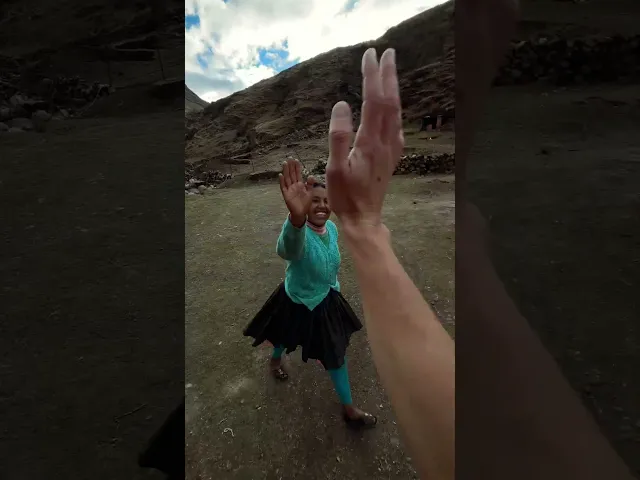
Life at altitude in Peru looks simple, but is harsh. There is little to nothing to survive on, communities are small and with little to no infrastructure. Yet the people seem happy. I played football with the kids in the mountains at 4000m (12 000 feet) altitude and gasped for air. People hosted us in their homes. The clothing is colourful, the smiles are broad, the kindness is everywhere.
I tried to capture the people in their natural habitat, without changing too much. Show how beautiful life can be in its simplest form, when you remove all distractions.
My goal wasn’t Machu Picchu, my goal was to meet the people. Machu Picchu was just part of the journey. Upon arrival at Machu Picchu, I was overwhelmed by beauty, but also tourists. Which felt very different from the 3 days prior. I already missed the secludedness and remoteness of Peru that hardly anyone sees.